Apple Smart Home Push Includes Doorbell, Lock, Thermostat

Apple and LG Unveil New Smart Home Collaboration
Apple’s latest strategic move deepens its presence in the home automation market through a partnership with LG. The collaboration focuses on three core categories: a smart lock, a video doorbell, and a programmable thermostat. By co‑developing these devices, Apple aims to reinforce its HomeKit platform and provide users with hardware that works seamlessly with iPhone, iPad, Mac, and Apple TV. The announcement signals Apple’s commitment to expand beyond existing accessories like HomePod Mini and AirTags, positioning the company to compete more directly with established smart home ecosystems.
The joint effort leverages LG’s manufacturing expertise and Apple’s software integration capabilities. While specific technical details remain limited, the partnership suggests a focus on security, energy efficiency, and user experience. Apple’s emphasis on privacy and on‑device processing aligns with LG’s hardware design philosophy, creating a potential synergy that could set new standards for reliability and ease of use in the smart home space.
Understanding the New Devices: Lock, Doorbell, and Thermostat
Smart Lock Integration
The smart lock is designed to replace traditional keyed entry with a secure, keyless solution that works with HomeKit. Users can grant access remotely, receive notifications of lock activity, and integrate the lock with other HomeKit accessories such as lights and cameras. The device is expected to support multiple authentication methods, including biometric verification and numeric codes, to provide layered security for residential and small‑business environments.
Advanced Doorbell Features
The new doorbell adds video capabilities to the existing Apple ecosystem, allowing homeowners to see and speak with visitors from any iOS device. Integration with HomeKit enables automatic lighting, door unlocking, and recording of visitor activity. The hardware is built to withstand outdoor conditions while maintaining a minimalist aesthetic that matches Apple’s design language. Alerts can be customized to prioritize important visitors or reduce unnecessary notifications.
Thermostat Controls
The thermostat focuses on energy savings and climate comfort, syncing with HomeKit to adjust heating and cooling based on occupancy patterns and user preferences. Automated scheduling can be linked to the lock and doorbell to reflect whether occupants are home, reducing wasted energy. The interface is accessible from the iPhone, Apple Watch, and the Apple TV remote, offering a unified control point for the entire home environment.
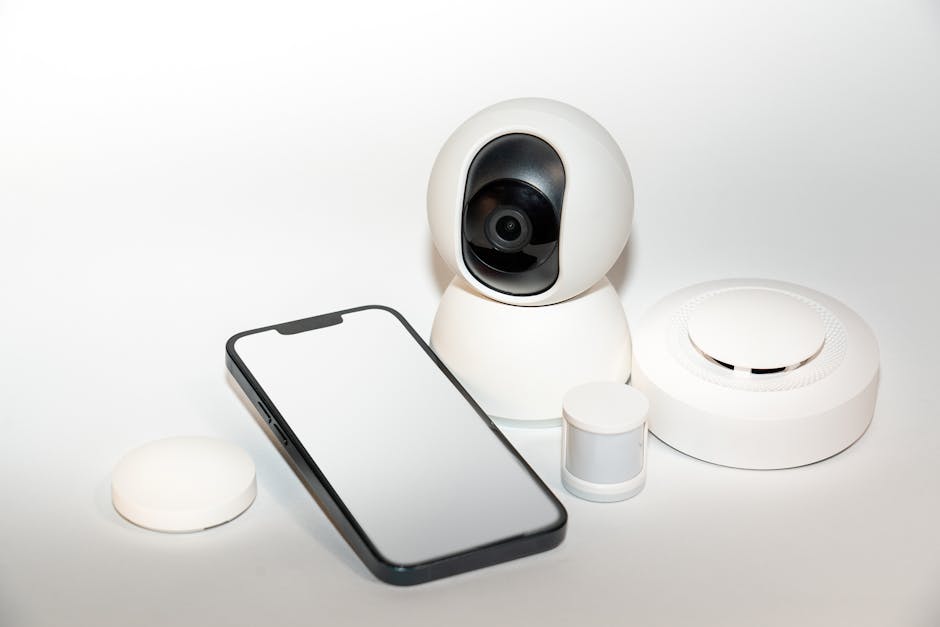
How These Products Fit Into Apple’s Home Ecosystem
All three devices are built to operate natively within HomeKit, ensuring end‑to‑end encryption and on‑device processing for privacy. The lock, doorbell, and thermostat can be grouped into scenes that trigger multiple actions simultaneously. For example, a “Leave Home” scene could lock the door, disarm the alarm, and adjust the thermostat to an energy‑saving mode. Integration with Siri allows voice commands such as "Hey Siri, set the thermostat to 72 degrees and lock the front door."
Because these accessories are tied to the Apple ID, they inherit the same account‑based management used for Find My network devices. This means a lost or damaged lock can be remotely disabled, and a user can share access with family members or service providers through temporary permissions. The devices also benefit from Apple’s updates, receiving new features and security patches without requiring hardware replacements.

Market Implications and Consumer Benefits
The entry of Apple into the lock, doorbell, and thermostat markets intensifies competition among smart home manufacturers. Existing players such as August, Ring, and Ecobee will face pressure to differentiate on privacy, integration depth, and design aesthetics. Apple’s reputation for seamless software integration and robust security could attract users who have previously avoided smart home products due to concerns about data handling.
From a consumer perspective, the new lineup offers a unified experience across different home functions. Users who already rely on iPhone and Apple TV can manage climate, access, and visitor interaction from a single app, reducing the need to juggle multiple third‑party apps. The emphasis on privacy may also appeal to households that prioritize data protection, as Apple’s on‑device processing minimizes cloud‑based data exposure.

Timing and Availability: What to Expect in October
According to recent reports, Apple is planning two distinct product launch cycles in October, with the new smart home accessories expected to be part of the first wave. The timing aligns with the annual iPhone release window, suggesting that Apple may bundle marketing efforts across its flagship smartphone and the new home devices. Separate sources indicate that the Apple TV 4K will launch shortly before the October event, introducing two major upgrades that could further enhance the smart home experience by providing a dedicated hub for HomeKit controls.
Pre‑order availability is likely to follow the typical Apple pattern, with customers able to purchase the lock, doorbell, and thermostat directly through the Apple Store, authorized retailers, and carrier partners. Pricing details have not been disclosed, but industry analysts anticipate a premium positioning that reflects the integrated software ecosystem and design quality. Shipping timelines are expected to be similar to other Apple hardware, with early adopters receiving devices within a few weeks of the official release date.
What This Means for Apple’s Smart Home Future
Apple’s smart home push, anchored by the new lock, doorbell, and thermostat co‑developed with LG, marks a decisive expansion of its home ecosystem. The addition of these three essential components gives Apple a complete security and comfort suite that integrates tightly with existing iOS and macOS devices, reinforcing the company’s vision of a fully connected home experience.
The partnership demonstrates Apple’s willingness to collaborate with established hardware manufacturers while maintaining its high standards for privacy, design, and user experience. By introducing these products alongside upcoming iPhone and Apple TV updates, Apple positions itself to capture both new and existing customers looking for a reliable, secure, and elegant smart home solution.
Frequently asked questions
What new smart home devices is Apple launching with LG?
Apple is launching a smart lock, a video doorbell, and a programmable thermostat co‑developed with LG as part of its expanded HomeKit ecosystem.
How will the Apple‑LG partnership affect the HomeKit experience?
The partnership brings hardware specifically designed for HomeKit, offering tighter integration, enhanced privacy, and seamless control with existing Apple devices.
When are the new lock, doorbell, and thermostat expected to be available?
Sources indicate the devices will be part of Apple’s October product launches, with availability following the typical Apple Store pre‑order and shipping timeline.
What advantages do these devices offer over existing smart home products?
They provide native HomeKit integration, end‑to‑end encryption, unified scene controls, and design consistency with Apple’s premium hardware standards.