Big Weekend Storm: Nor'easter Threatens East Coast
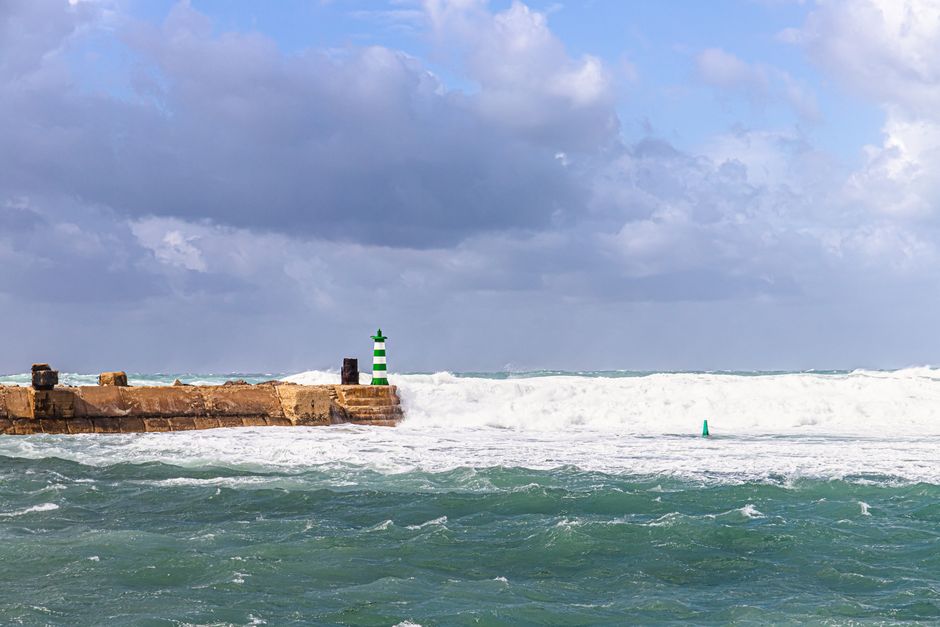
The Sudden Shift from Breezy to Stormy
Across much of the Northeast, residents are enjoying a brief reprieve with mild, breezy conditions today, but that calm is expected to be short-lived. A powerful weather system is gathering off the coast, signaling the arrival of a significant storm that will dominate the weekend. This rapid transition from pleasant to perilous is a hallmark of coastal storms, and forecasters are urging communities from North Carolina to Maine to brace for impact. The approaching system is classified as a Nor'easter, a type of storm known for its intensity and potential to cause widespread disruption. As the storm strengthens, it will bring a combination of heavy rainfall, damaging winds, and dangerous coastal flooding, turning what might have been a relaxing weekend into a test of preparedness for millions of people.
Understanding the Nor'easter System
Formation and Characteristics
A Nor'easter is not just any storm; it is a specific type of low-pressure system that forms along the East Coast of the United States. The name derives from the prevailing northeasterly winds that feed moisture and energy into the storm. These systems typically develop when a cold air mass from the north interacts with warmer, moist air from the Atlantic Ocean. The resulting collision creates a powerful cyclone that can track parallel to the coastline, bringing prolonged periods of severe weather. Unlike typical thunderstorms that pass quickly, Nor'easters can last for days, causing cumulative damage through continuous rain, wind, and surge. Their intensity is often amplified by the temperature contrast between the land and sea, making them particularly dangerous during transitional seasons like autumn and spring.
Why This Nor'easter Stands Out
What makes the current storm particularly concerning is its projected path and strength. Meteorological models indicate that this Nor'easter will track closer to the coast than some previous systems, increasing the risk of direct impacts for major population centers. The storm is expected to draw moisture from the Atlantic, fueling heavy rainfall that could lead to widespread flooding. Additionally, the pressure drop associated with the system suggests a rapid intensification, which often correlates with stronger winds and more severe coastal erosion. For communities that have already experienced significant weather events this year, this storm represents a critical reminder of the region's vulnerability to nature's power.
Forecast and Timeline for the Big Weekend Storm
The timing of the storm is crucial for residents and emergency planners alike. According to current forecasts, the leading edge of the system will begin to affect the Mid-Atlantic region late on Friday, with conditions deteriorating rapidly through the overnight hours. The core of the storm, where the most intense rain and winds are concentrated, is expected to pass over the Northeast on Saturday. This timeline means that outdoor activities planned for Saturday should likely be canceled or moved indoors. By Sunday, the storm will begin to move away, but cleanup and recovery efforts will just be starting. The extended duration of the event means that there will be little opportunity for breaks in the weather, increasing the risk of fatigue-related incidents and prolonged power outages.

Regional Impacts Across the East Coast
New York City and Long Island
The New York metropolitan area, including New York City and Long Island, is forecast to be among the hardest hit. Coastal communities face the dual threat of inland flooding from heavy rain and coastal flooding from storm surge. The combination of high tides and strong onshore winds could push water into streets and low-lying areas, potentially causing significant property damage. In addition, wind speeds are expected to reach gusts of up to 50 miles per hour, which can down trees and power lines, leading to widespread outages. Transportation infrastructure, including airports and rail services, may experience delays or cancellations, complicating travel plans for many.
New Jersey and Southern New England
Similar impacts are anticipated for New Jersey and parts of southern New England. The Jersey Shore and Cape Cod are particularly vulnerable to beach erosion and flooding. Inland areas will not be spared, as the heavy rain can overwhelm drainage systems, leading to street flooding and potential damage to basements. Emergency management officials in these regions are coordinating with utility companies and transportation agencies to ensure a rapid response if conditions worsen. The interconnected nature of the region's infrastructure means that disruptions in one area can have cascading effects, highlighting the need for a coordinated approach to storm preparedness and response.
Essential Preparations and Safety Measures
With the storm on the horizon, taking proactive steps can significantly reduce risk and damage. Residents in affected areas should begin preparations immediately. The following measures are recommended by emergency management experts:
- Secure Outdoor Objects:Bring in or tie down any loose items around your property, such as furniture, grills, and decorations, to prevent them from becoming projectiles in high winds.
- Prepare an Emergency Kit:Assemble a kit containing water, non-perishable food, flashlights, batteries, a first-aid kit, and any necessary prescription medications. Consider including a battery-powered or hand-crank radio to stay informed.
- Review Evacuation Plans:If you live in a coastal or flood-prone area, familiarize yourself with local evacuation routes and have a plan for where you will go if an evacuation order is issued.
- Protect Your Home:Ensure that any loose shingles or siding are secured. If time permits, consider boarding up windows, especially if they are large or vulnerable to impact from debris.
- Stay Informed:Monitor weather forecasts from reliable sources and sign up for local emergency alert systems. Do not attempt to drive through flooded roads, as just a few feet of water can stall a vehicle.

Conclusion: Direct Answer on the Big Weekend Storm
The big weekend storm is a Nor'easter that will bring heavy rain, strong winds, and coastal flooding to the East Coast, particularly affecting New York, New Jersey, and surrounding areas. To stay safe, residents should prepare by securing their properties, assembling emergency supplies, and staying informed about weather updates throughout the event. This storm underscores the importance of community resilience and individual preparedness in the face of increasingly frequent severe weather events.
The Broader Implications for Coastal Communities
Events like this Nor'easter are not isolated incidents; they are part of a broader pattern of more frequent and intense storms affecting coastal regions. The economic impact can be substantial, affecting tourism, agriculture, and local businesses. Moreover, the psychological toll on communities that repeatedly face such threats cannot be underestimated. As climate change continues to influence weather patterns, the need for robust infrastructure, effective communication, and comprehensive preparedness strategies becomes ever more critical. Learning from each event helps communities build resilience, ensuring that when the next storm arrives, they are better equipped to weather the challenge and recover more quickly.

Travel and Transportation Disruptions
Travelers planning to move through the Northeast this weekend should anticipate significant disruptions. Airlines are likely to issue waivers and cancellations, while train services may face delays or suspensions, particularly along coastal routes. Roadways will be hazardous due to reduced visibility, standing water, and debris. It is advisable to check travel advisories well in advance and consider alternative plans if possible. For those who must travel, ensuring an emergency kit in the vehicle and having a charged phone with maps downloaded offline can be lifesaving in case of becoming stranded.
Post-Storm Recovery and Community Support
After the storm passes, the focus will shift to recovery. This involves clearing debris, restoring power, and assessing damage. Community organizations often play a vital role in providing assistance to those most affected. Residents are encouraged to check on neighbors, especially the elderly or those with disabilities, who may need help. Additionally, volunteering for local relief efforts can strengthen community bonds and speed up the recovery process. Documenting damage with photographs and contacting insurance providers promptly are also important steps in the aftermath.
Staying Informed: Resources for Residents
Reliable information is key during a storm. The National Weather Service provides detailed forecasts and warnings, while local news outlets offer real-time updates. Social media can be a useful tool for sharing information, but it is essential to verify sources to avoid misinformation. Many municipalities have dedicated emergency management websites or apps that send alerts directly to residents. By leveraging these resources, people can make informed decisions and take appropriate actions to protect themselves and their families.
A Call for Ongoing Preparedness
While this particular storm is a immediate concern, it serves as a reminder that preparedness is an ongoing process. Communities should regularly review and update their emergency plans, and individuals should practice their response routines. Education about the specific risks associated with different types of weather events can empower people to take effective action. By fostering a culture of preparedness, the region can reduce the impact of future storms and build a more resilient society capable of facing the challenges of a changing climate.
Frequently asked questions
What is the big weekend storm affecting the East Coast?
The big weekend storm is a Nor'easter, a powerful coastal storm that brings heavy rain, strong winds, and flooding to the East Coast.
When will the Nor'easter impact the region?
The Nor'easter is expected to begin impacting the East Coast on Friday, with peak conditions through the weekend.
Which areas are most vulnerable to the storm?
Coastal areas including New York City, Long Island, and New Jersey are at high risk for flooding and wind damage.
How can residents prepare for the upcoming storm?
Residents should secure loose outdoor objects, prepare an emergency kit with supplies, and stay informed through weather alerts.