Europe's Wildfire Crisis Eases as Danger Shifts to Greece

The Shift in Wildfire Danger Across Southern Europe
Why Western Europe Is Seeing Relief
Firefighting efforts and changing weather patterns have brought a measure of relief to western Europe, where blazes that ravaged parts of France and Spain are now under better control. The AP News report on Europe’s wildfire crisis easing in the west highlights that the immediate threat has diminished in several regions, even as the overall situation remains fluid. Residents in areas that were under siege for days are beginning to return to their homes, and the mood in some communities has shifted from panic to cautious hope. Firefighters, who have been working around the clock, are now able to consolidate gains and focus on mop-up operations rather than emergency defense.
The improvement in the west, however, does not mean the crisis is over. Fire crews remain on high alert, and conditions can change rapidly with shifts in wind and temperature. The easing in France and Spain is a testament to the dedication of emergency responders and the benefit of slightly cooler, more humid weather in some areas. Yet officials warn that the respite could be temporary, and resources are being carefully managed to prepare for any new ignitions. The relief in the west is a reprieve, not a resolution.
The New Epicenter: Greece Faces Multiple Blazes
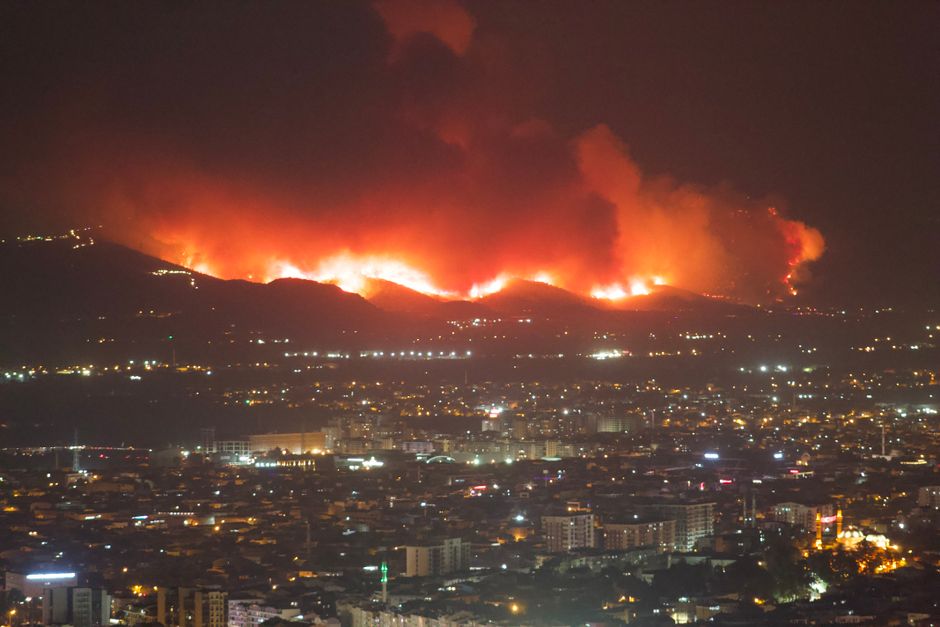
As the danger recedes in the west, attention has turned eastward to Greece, where wildfires are burning near Athens and on several islands. Reuters reported that Greece is fighting fires near Athens as France and Spain improve. The shift underscores how quickly the focal point of a wildfire crisis can move across the continent, placing new demands on a country that is already managing a heavy tourism load during the peak summer season. Greek authorities are coordinating with European partners to bring in additional aircraft and ground crews, but the scale of the blazes presents a formidable challenge.
The fires in Greece are not limited to rural areas. Some of the blazes have reached the outskirts of the capital, sending smoke plumes over the city and raising air quality concerns for millions of residents. The proximity of the flames to urban infrastructure means that the consequences extend beyond environmental damage, affecting daily commutes, school closures, and public health advisories. The crisis has forced Greek officials to balance the immediate fight against the fires with the longer-term need to protect a tourism economy that is vital to the country’s recovery.
Evacuation Orders and Human Impact in France
Ongoing Threats Despite Improved Conditions
Even as the overall crisis eases in western Europe, evacuation orders remain in parts of France, according to CBS News. Residents in affected areas continue to face uncertainty, with authorities warning that some blazes are not yet fully contained. The persistence of evacuation orders highlights the gap between a region-wide improvement and the lived reality of communities still in harm’s way. For many families, the decision to leave their homes was not a choice but a necessity, and the prospect of returning to find what remains is daunting.
The logistical burden of maintaining evacuation orders while other areas see improvement is significant. Emergency services must keep routes clear, manage shelters, and provide ongoing support to displaced residents. In some cases, the fires have destroyed access roads and cut off communities, making it difficult for aid to reach those who need it most. The French government has called for patience and vigilance, stressing that the situation remains dynamic and that residents should follow official guidance before returning to their properties.
Greece Battles Fires Near Athens and on Islands
Coastal Escapes and Island Evacuations
The BBC reported that hundreds of people escaped a Greek wildfire by sea as blazes continued across Europe. On several islands, residents and tourists had to be rescued from coastal areas when roads became impassable. The urgency of these sea evacuations illustrates the rapid spread of the fires in Greece and the reliance on maritime rescue assets. Fishing boats, coast guard vessels, and private yachts all played a role in moving people to safety, often under dangerous conditions with smoke and flames nearby.
The image of hundreds fleeing by sea has become a powerful symbol of the crisis, capturing the sudden disruption that wildfires bring to holiday destinations. For many tourists, the experience was traumatic, with little time to gather belongings before boarding rescue boats. The evacuations have also strained local emergency services, which must now account for both residents and visitors in their planning. The ongoing blazes across Europe mean that other countries are watching closely, aware that the conditions that sparked the Greek fires could spread elsewhere.
Fires Near Athens Threaten Urban Periphery
The Reuters coverage of Greece fighting fires near Athens emphasizes that the capital’s outskirts are not immune to the wildfire threat. Smoke plumes have been visible from the city center, and air quality monitors have recorded elevated levels of particulate matter. The proximity of the blazes to a major metropolitan area raises questions about urban-wildland interface risks in the region and the adequacy of defensible space around communities on the city’s fringe.
The fires near Athens have forced the closure of some roads and the rerouting of public transport, disrupting the daily routines of millions. Schools in affected areas have shifted to remote learning, and outdoor events have been canceled. The economic impact is already being felt, with businesses in the path of the smoke reporting a drop in customers. As the firefighting effort continues, the focus remains on protecting both lives and the critical infrastructure that the city depends on.

The Tourism Boom and Its Wildfire Risks
Why Greek Islands Are Especially Vulnerable
The Financial Times analysis of Greece’s island fires exposes risks of the tourism boom. Many of the affected islands are popular summer destinations, and the combination of dry vegetation, high temperatures, and increased human activity creates a volatile environment. As tourism infrastructure expands into fire-prone landscapes, the potential for catastrophic losses grows. The rush to build hotels, restaurants, and rental properties has often outpaced investment in firebreaks, water supply systems, and early-warning networks.
Island communities that once relied on fishing and agriculture have been transformed by the influx of visitors, and with that transformation comes new vulnerabilities. The accumulation of combustible materials, the pressure on natural water sources, and the presence of large numbers of people in remote areas all increase the likelihood of ignitions. The FT piece notes that the fires expose structural vulnerabilities in regions that have bet heavily on tourism growth without commensurate investment in fire prevention and resilience. The crisis has sparked a broader debate about whether the current model of tourism development is sustainable in an era of intensifying wildfire risk.
Economic and Environmental Stakes for Island Communities
Island economies that depend heavily on summer visitors face a dual threat: the immediate danger of the fires and the longer-term reputational risk if the crisis persists. A severe fire season can deter tourists for years, undermining the very industry that these communities rely on for income and employment. The environmental cost is equally severe, with loss of native vegetation, habitat destruction, and soil erosion that can take decades to reverse.
The fires also highlight the tension between economic development and environmental stewardship. In many cases, the same natural beauty that attracts tourists also creates the conditions for devastating wildfires. Addressing this paradox requires a concerted effort to invest in fire-resistant landscaping, strict building codes, and community education programs. The Greek government and local authorities are under pressure to balance the immediate needs of firefighting with the long-term goal of making the islands more resilient to future blazes.

What the Wildfire Shift Means for Europe’s Preparedness
Broader Implications for Fire Management
The movement of the wildfire danger from west to east is not just a weather story; it is a test of continental preparedness. As resources are redirected from France and Spain to Greece, the capacity to respond simultaneously to multiple outbreaks is strained. The crisis reveals the need for coordinated, cross-border firefighting strategies and shared early-warning systems that can adapt to the shifting geography of risk. European agencies and governments must work together to ensure that no single country is left to face the flames alone.
The EU Civil Protection Mechanism has been activated to facilitate the sharing of aircraft, firefighters, and equipment across borders. This mutual aid is essential, but it also exposes gaps in capacity that must be addressed. Countries with surplus resources one week may find themselves in need the next, as the fire danger moves unpredictably across the continent. The current crisis underscores the importance of pre-positioning assets and building strong relationships between national fire services before emergencies strike.
Climate Patterns and the Increasing Frequency of Blazes
While the article does not provide specific climate data, the pattern of shifting fire danger aligns with broader observations about changing weather conditions across southern Europe. The easing in the west and escalation in the east suggest that no single country can manage these events in isolation. The fires are driven by a combination of high temperatures, low humidity, and strong winds, factors that are expected to become more common in a warming climate. The shifting danger underscores the importance of continent-wide planning and the need for investment in fire prevention, early detection, and rapid response capabilities.
European leaders are increasingly recognizing that wildfire management must be integrated into broader climate adaptation strategies. This includes restoring natural firebreaks, investing in sustainable land management, and ensuring that building codes in fire-prone areas reflect the reality of a changing environment. The current crisis in Greece serves as a stark reminder that the consequences of inaction are measured not only in hectares burned but also in lives disrupted, economies damaged, and ecosystems lost.
Direct Answer: What Is Happening With Europe’s Wildfire Crisis?
Europe’s wildfire crisis is easing in western nations like France and Spain as the danger shifts east to Greece, where fires near Athens and on islands prompt evacuations and highlight the risks that a tourism boom poses to fire-prone regions.
Frequently asked questions
What is causing the wildfire danger to shift from western Europe to Greece?
Changing weather patterns and wind directions have moved the fire risk away from France and Spain toward Greece, where dry conditions and high temperatures are fueling new blazes near Athens and on islands.
Are evacuation orders still in place in France?
Yes, CBS News reports that evacuation orders remain in parts of France even as the overall wildfire crisis eases in western Europe, with authorities warning that some blazes are not yet fully contained.
How are people escaping wildfires in Greece?
The BBC reported that hundreds of people escaped a Greek wildfire by sea, using fishing boats, coast guard vessels, and private yachts when roads became impassable due to the advancing flames.
What risks does the wildfire crisis pose to Greek tourism?
The Financial Times notes that the island fires expose the risks of the tourism boom, as the combination of dry vegetation, high visitor numbers, and expanding infrastructure in fire-prone areas increases the potential for catastrophic losses.