Georgia’s Okefenokee Swamp Named UNESCO World Heritage Site

Georgia’s Okefenokee Swark Earns UNESCO World Heritage Status
Georgia’s iconic Okefenokee Swamp has been officially designated as a UNESCO World Heritage site, marking a significant milestone in the preservation of one of the United States’ most unique ecosystems. This recognition highlights the swamp’s ecological importance, cultural heritage, and its role as a vital habitat for countless species.
What Makes the Okefenokee Swamp Unique?
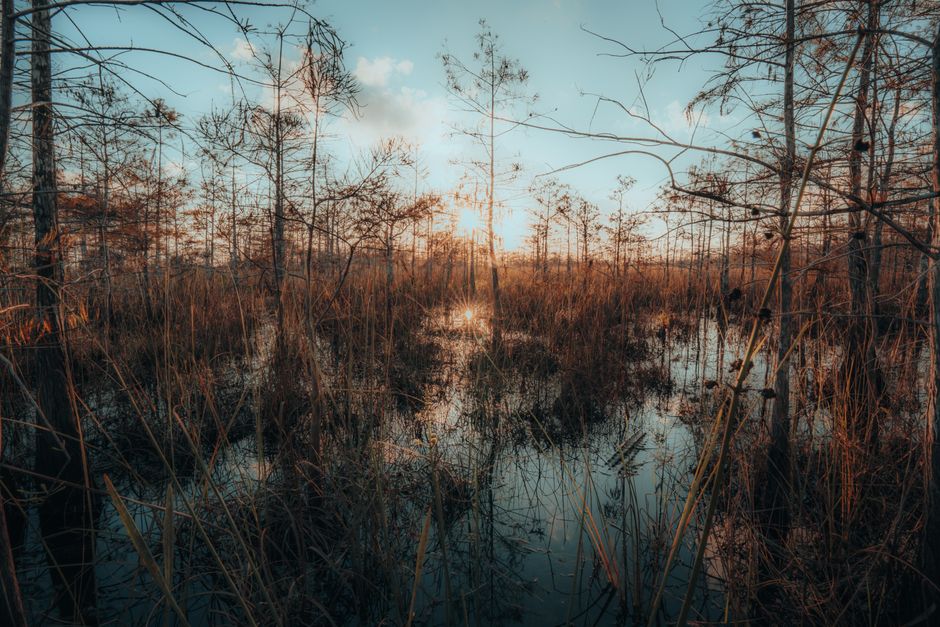
The Okefenokee Swamp, spanning over 400,000 acres in southeastern Georgia, is one of the largest intact freshwater ecosystems in North America. Its vast wetlands, cypress forests, and diverse wildlife make it a natural treasure. The swamp is home to rare species like the American alligator, the red-cockaded woodpecker, and the endangered swamp pink plant, underscoring its ecological significance.
A Cultural and Historical Landmark
Beyond its natural beauty, the Okefenokee Swamp holds deep cultural and historical importance. Indigenous peoples, including the Seminole and Creek tribes, have long revered the swamp as a sacred place. Its name, derived from the Creek language, means “Land of the Trembling Earth,” reflecting its unique peat-based terrain. This recognition by UNESCO honors both its ecological and cultural legacy.
The Significance of UNESCO World Heritage Status
UNESCO’s World Heritage designation is awarded to sites of outstanding universal value, whether cultural, natural, or a combination of both. For the Okefenokee Swamp, this status brings global attention to its conservation needs and underscores the importance of protecting fragile ecosystems in the face of climate change and human impact.
Implications for Conservation Efforts
The UNESCO designation is expected to bolster conservation efforts in the Okefenokee Swamp. It provides a platform for increased funding, research, and international collaboration to preserve this vital ecosystem. Additionally, it raises awareness about the threats posed by mining, logging, and urban development, which have historically endangered the swamp’s delicate balance.

A Win for Georgia and Beyond
This achievement is a proud moment for Georgia, showcasing the state’s commitment to environmental stewardship. The Okefenokee Swamp’s UNESCO status also serves as a reminder of the importance of protecting natural wonders for future generations. It joins a prestigious list of World Heritage sites, including Yellowstone National Park and the Grand Canyon, further solidifying its place on the global stage.
What Does This Mean for Visitors?
For visitors, the UNESCO designation is likely to increase interest in the Okefenokee Swamp. While this may lead to higher tourism, it also emphasizes the need for responsible travel practices. Visitors are encouraged to respect the swamp’s fragile ecosystem by following guidelines, staying on designated trails, and minimizing their environmental impact.
Conclusion: Why This Matters
The Okefenokee Swamp’s UNESCO World Heritage status is a testament to its ecological and cultural significance. It highlights the urgent need to protect fragile ecosystems and serves as a call to action for global conservation efforts. This designation ensures that the Okefenokee Swamp will continue to inspire and sustain life for generations to come.
Frequently asked questions
What is the Okefenokee Swark?
The Okefenokee Swamp is a vast freshwater wetland in Georgia, known for its unique ecosystem and diverse wildlife.
Why was the Okefenokee Swark named a UNESCO World Heritage site?
The Okefenokee Swamp was designated a UNESCO World Heritage site due to its ecological importance and cultural significance.
What does UNESCO World Heritage status mean?
UNESCO World Heritage status recognizes sites of outstanding universal value, promoting their preservation and global awareness.
How does the UNESCO designation benefit the Okefenokee Swark?
The UNESCO designation boosts conservation efforts, increases funding opportunities, and raises global awareness about the swamp’s importance.