Himalayan floods leave towns destroyed and grief mounting

Devastation Along the Himalayan Flood Path
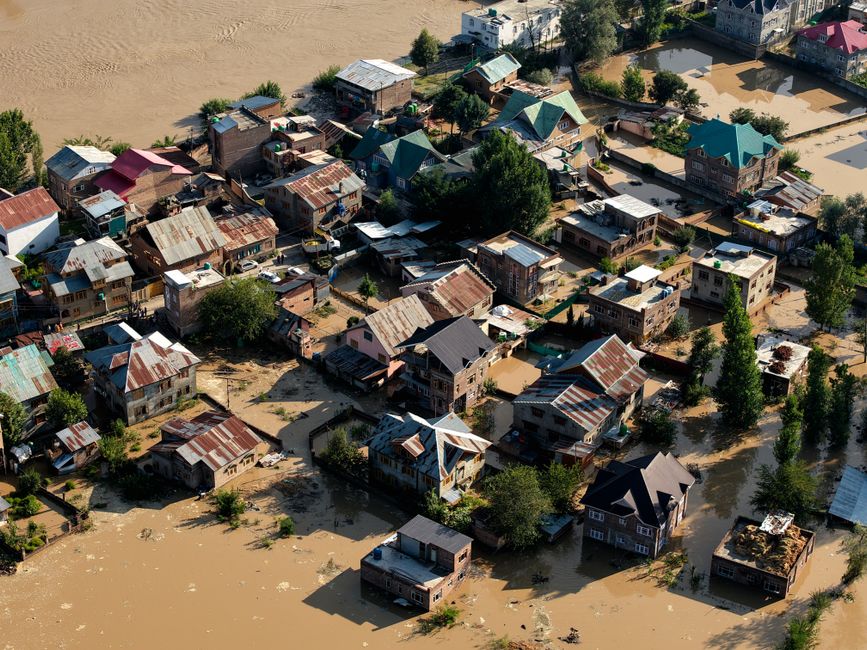
The recent monsoon season has unleashed unprecedented flooding across the Himalayan foothills of Nepal. Rivers that normally carry seasonal runoff have burst their banks, sweeping away villages that sit in narrow valleys. Satellite imagery and on‑the‑ground reports confirm that entire settlements are now submerged or reduced to mud‑streaked rubble. The scale of destruction is comparable to previous major floods in the region, but the speed and intensity of this event have left relief organizations scrambling to respond.
Local officials describe a scene of utter loss. Homes, schools, and places of worship have been swallowed by water that moved with little warning. Livestock and personal belongings were carried downstream, leaving residents with nothing but the clothes they wore. The water receded slowly, but the aftermath is a landscape of broken roofs, collapsed walls, and scattered debris that stretches for miles along the river corridors.
The human cost is reflected in the rising death toll reported by Nepali authorities and international media. Over 1,300 people are confirmed dead, and more than 5,000 individuals remain missing. Families are left without any trace of their loved ones, and the uncertainty compounds the grief that now permeates every community affected.
Human Toll: Deaths, Missing, and Grieving Communities
Official Death Toll and Missing Persons
The latest figures from the Kathmandu‑based disaster management agency place the confirmed fatalities at 1,386, with 5,130 people still listed as missing. These numbers are drawn from rescue teams, local volunteers, and government records that have been compiled over the past weeks. The discrepancy between confirmed deaths and missing persons highlights the difficulty of accessing remote areas where landslides have buried entire hamlets.
Community Grief and Aftermath
Grief is palpable in the camps that have sprung up on higher ground. Women weep as they recount the loss of husbands, sons, and daughters who never returned home. Men sit silently, clutching photographs of family members now lost to the floodwaters. The emotional trauma is compounded by the practical challenges of finding food, clean water, and shelter. Many survivors have lost not only their homes but also the livelihoods that tied them to the land.
Traditional mourning rituals have been disrupted because many of the deceased were never recovered. Without bodies to mourn, families are forced to hold memorial services based on hearsay and fragmented information. This uncertainty makes the grieving process prolonged and complicated, leaving a deep sense of helplessness across the affected regions.
Impact on Children and Families
Children constitute a large portion of the displaced population. Schools that once provided structure and safety have been destroyed, leaving youngsters without education and stability. Many children are reported to be clingy, silent, or displaying signs of acute stress as they watch their families struggle to cope.
Family units have been split as survivors seek refuge in temporary shelters. Parents are exhausted, trying to protect their children while confronting their own loss. The psychological impact on the youngest members of society is expected to be long‑lasting, requiring specialized mental‑health support that is only beginning to be mobilized.
Humanitarian groups have identified a critical need for child‑focused interventions, including safe spaces, counseling, and access to schooling in makeshift facilities. The trauma of losing homes, loved ones, and community landmarks leaves children especially vulnerable, and addressing their needs is essential for any sustainable recovery.
International Aid and Relief Efforts
Government and NGO Collaboration
Caritas Nepal, a leading Catholic relief organization, has been on the ground since the first days of the disaster. The group works in partnership with the U.S. Agency for International Development (USAID) and the Christian Relief and Development Agency (CRS). This coalition has delivered emergency rations, clean water, and medical kits to thousands of survivors.
Funding and Logistics
Funding streams have been diversified to cover immediate relief and longer‑term reconstruction. The U.S. government’s contribution includes both financial aid and logistical support, such as transport planes that have carried supplies into high‑altitude airstrips. NGOs have also coordinated volunteer medical teams, focusing on preventing disease outbreaks in crowded shelters.
Coordination meetings are held daily in Kathmandu, where relief agencies share updates on needs, inventory, and distribution points. The collaborative model aims to avoid duplication of effort and to ensure that the most vulnerable receive priority access to resources.
Role of Technology: Drone Operations in Disaster Response
China has deployed drones to assist in the rescue and recovery operation. These unmanned aerial vehicles are being used to airlift essential supplies such as food, water, and medical equipment to isolated villages that remain cut off by flooded roads. In addition, drones have captured aerial footage of damage zones, providing real‑time data that helps relief coordinators prioritize distribution.
Drone operators also use thermal imaging to locate survivors trapped in remote hillside areas where traditional search methods are slow. The technology has proven especially valuable in identifying bodies, allowing families to begin the mourning process more quickly. The integration of drone technology marks a shift toward more rapid, data‑driven disaster response in mountainous terrains.
While the drone fleet has expanded the capacity of responders, challenges remain. Weather conditions, limited battery life, and the need for skilled operators require continuous training and investment. Nonetheless, the success of these aerial missions demonstrates how modern technology can complement traditional humanitarian efforts in extreme environments.

Conclusion: What the Crisis Means for Future Preparedness
The Himalayan floods have destroyed towns across Nepal, killed over 1,300 people, left more than 5,000 missing, and triggered a massive humanitarian crisis with international aid and drone operations supporting relief. The disaster underscores the urgent need for improved early‑warning systems, resilient infrastructure, and coordinated response mechanisms that can be activated quickly when extreme weather events strike mountainous regions.
Frequently asked questions
What caused the recent floods in the Himalayas?
Heavy monsoon rains overwhelmed river systems in Nepal, causing rivers to burst their banks and inundate surrounding villages.
How many people have died or gone missing in the disaster?
Official reports confirm 1,386 deaths and more than 5,130 individuals remain missing.
Which organizations are providing aid to the affected populations?
Caritas Nepal, CRS, USAID, and various local and international NGOs are coordinating relief efforts on the ground.
How are drones being used in the relief operation?
Drones are airlifting food, water, and medical supplies to isolated villages and using thermal imaging to locate survivors and bodies.