Houthis Claim Attack on Aramco as Yemen Conflict Escalates
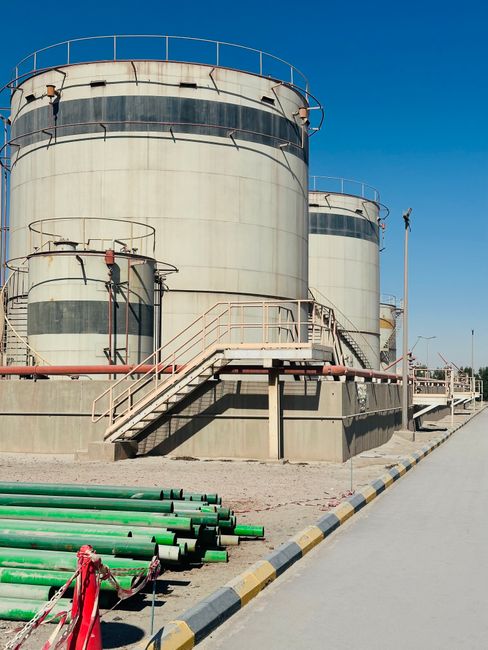
Tensions across the Arabian Peninsula are intensifying once more, bringing the long-running war in Yemen back to the center of international attention. Recent reporting indicates that the Iran-backed Houthi movement has claimed responsibility for an attack targeting Aramco, the Saudi state oil company. This development arrives alongside a broader surge in hostilities, including a major ground offensive launched by the Yemeni government against Houthi positions. As these events unfold, observers are watching closely to understand how the conflict is evolving and what it means for energy security and regional diplomacy. The convergence of coverage from major outlets suggests this is a pivotal moment in a conflict that has persisted for years.
The Significance of an Aramco Attack Claim
The claim itself carries weight beyond the immediate tactical outcome. Aramco represents the backbone of Saudi Arabia’s energy exports, and any threat to its infrastructure is viewed as a direct challenge to the kingdom’s economic stability. When a militant group asserts it has struck such a high-value target, it signals an escalation in capability and intent. Reports suggest the Houthis are looking to project power far beyond their borders in Yemen. This is a strategic shift, as the group moves from local skirmishes to striking assets that matter to the global economy.
Verification and Strategic Messaging
While the group has made the claim, independent confirmation of the physical damage remains a key point of interest for analysts. In conflicts of this nature, the psychological impact of a claim can be as significant as the material damage. By naming a specific target like Aramco, the Houthis aim to demonstrate reach and disrupt confidence in regional security. The Saudi-backed government and its allies will likely scrutinize the details to assess the actual threat level. Verification is critical because unconfirmed claims can lead to disproportionate responses that further destabilize the region.
Energy markets often react to uncertainty surrounding oil infrastructure. Even a claim, if perceived as credible, can introduce volatility into pricing and supply expectations. This dynamic underscores why such announcements are treated as serious geopolitical events rather than mere propaganda. The interplay between the claim and the response from Riyadh and Washington will define the next phase of the crisis. Markets will watch for signs that production remains uninterrupted, as any hint of supply loss triggers immediate financial consequences.
The Yemeni Government Offensive on the Ground
Simultaneously, military reports indicate that the Yemeni government is launching an offensive designed to seize all areas currently held by the Iran-backed Houthis. This is not a limited engagement but a comprehensive push to alter the territorial status quo. Coverage from Reuters and CNN highlights the scale of this operation, describing it as a major offensive intended to reclaim territory. The ambition to control all contested areas marks a significant departure from the defensive postures seen in previous phases of the war.
Ambitions and Challenges
The goal of seizing all Houthi-held areas suggests a determination to end the stalemate that has characterized much of the recent fighting. However, such operations face significant logistical and tactical hurdles in Yemen’s complex terrain. The Saudi backing provides resources and support, but the ground war remains difficult to win through force alone. Military gains in such environments often prove fragile without a corresponding political strategy to secure the population.
For the international community, this offensive raises questions about the durability of any military solution. While territorial gains are measurable, the underlying political grievances that fuel the conflict require diplomatic resolution. The convergence of a ground offensive and a strike claim against Aramco suggests a multi-front approach to the war that could deepen the humanitarian and security costs. Civilians in the region bear the brunt of such intensified fighting, and the human toll is likely to rise as both sides push for decisive victories.
Iran’s Position Between Peace and Nuclear Demands
The regional picture is further complicated by the role of Tehran. Recent analysis suggests that Iran is talking peace while remaining unwilling to bend to Trump administration demands regarding nuclear issues. This dual track creates a confusing environment for negotiators and allies alike. On one hand, there are signals of a desire to de-escalate specific hotspots. On the other, red lines remain firm regarding the nuclear program. This contradiction is central to understanding the current diplomatic stalemate.
The Proxy Dynamic
The Houthis are widely identified as Iran-backed, which links the Yemen conflict to broader Iranian foreign policy goals. When Tehran engages in peace talks on nuclear matters, it does not necessarily mean its proxies will cease operations in Yemen. This separation allows Iran to pursue diplomatic channels while maintaining pressure through allied militias. It also means that progress in one area does not guarantee stability in another, leaving regional partners to navigate competing signals from the same government.
For the United States, this presents a difficult balancing act. Pressuring Iran too hard on nuclear demands risks closing off diplomatic avenues, while ignoring the demands could embolden further aggression. The current stance, where peace is discussed but concessions are not offered, keeps the region in a state of managed tension. Allies in the Gulf are left to wonder whether Tehran’s overtures are genuine or merely tactical pauses before further escalation.

The United States and the Strategic Calculus
Politico has highlighted a specific consideration for the Trump administration regarding the Houthis. The analysis suggests there may be reasons for Washington to avoid messing with the group directly. This caution stems from the risk of triggering a wider conflict that could draw in other regional powers and disrupt global trade. Direct confrontation carries the danger of expanding the war beyond Yemen’s borders.
Risk Management in Foreign Policy
Escalating military action against the Houthis could yield short-term tactical wins but carry long-term strategic costs. The group has demonstrated the ability to strike high-value targets, which suggests they can inflict pain even without holding significant territory. For a US administration focused on specific priorities, opening a new front in Yemen requires careful weighing of national interest. The potential for blowback is high, and the cost of sustained engagement may outweigh the benefits of a quick victory.
Furthermore, the connection between the Houthis and Iran means that any direct confrontation risks involving Tehran more deeply. This interconnectedness is why policymakers are advised to proceed with caution. The current approach appears to favor containment and selective engagement over full-scale intervention. Washington must weigh the immediate threat against the broader goal of regional stability, a calculation that becomes harder as the conflict intensifies.
Implications for Global Stability and Energy
The combination of these factors creates a volatile environment with ripple effects beyond the Middle East. Energy infrastructure is a primary target in this conflict, which means global markets are directly exposed to developments in Yemen and Saudi Arabia. Any disruption to oil flows or claims against major producers can affect supply chains worldwide. The interconnectedness of the global economy means that local conflicts can quickly become international crises.
- Energy Security:Threats to Aramco raise concerns about the reliability of oil supplies from the region.
- Regional Alliances:The Saudi-backed government offensive tests the strength of regional defense partnerships.
- Diplomatic Channels:Iran’s willingness to talk peace offers a potential path to de-escalation despite nuclear disagreements.
- US Policy:The administration’s approach to the Houthis will shape how the conflict is managed moving forward.
Understanding these interconnected issues is essential for anyone following the story. The conflict is not isolated to Yemen but is part of a larger struggle for influence in the Middle East. Stakeholders must monitor the situation closely, as the interplay between military action and diplomacy will determine the trajectory of the crisis.
Conclusion: What Is Happening and Why It Matters
Currently, the Houthis have claimed an attack on Aramco as the Yemen conflict escalates, coinciding with a major offensive by the Yemeni government to seize Houthi-held areas. Iran is reportedly talking peace but resisting US nuclear demands, while the United States considers the risks of direct confrontation. The core question this raises is whether the region can move toward de-escalation or if the fighting will continue to widen.
The answer lies in the balance between military pressure and diplomatic restraint. While the Houthis and the Yemeni government pursue opposing goals on the ground, Iran and the United States maintain separate tracks that complicate any unified resolution. Until these competing interests find common ground, the risk of further escalation against critical energy infrastructure will remain high.
Frequently asked questions
What did the Houthis claim regarding Aramco?
The Houthis have claimed responsibility for an attack on Aramco, the Saudi state oil company, as part of the escalating Yemen conflict.
Is the Yemeni government launching a new offensive?
Yes, the Saudi-backed Yemeni government has announced a major offensive intended to seize all areas currently held by the Iran-backed Houthis.
What is Iran's stance on peace and nuclear demands?
Reports indicate Iran is talking peace but remains unwilling to bend to Trump administration demands regarding its nuclear program.
Why might the US avoid direct confrontation with the Houthis?
Analysis suggests the US may want to avoid messing with the Houthis to prevent triggering a wider conflict that disrupts global trade and regional stability.