Iran Supreme Leader Calls for Muslim Unity Against US, Israel
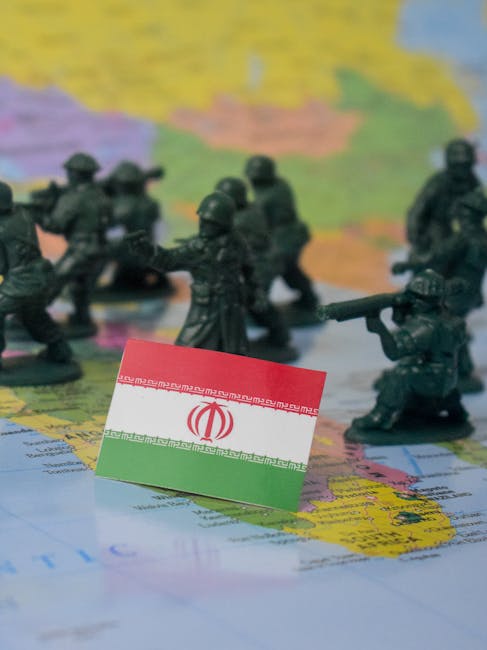
Iran Supreme Leader's Call for Muslim Unity: Regional Implications
Iran's Supreme Leader Ayatollah Ali Khamenei has issued a direct appeal to Muslim nations, calling for unified action against what he describes as the "real enemy" — the United States and Israel. The directive, delivered through written messages to Gulf rulers and public addresses, represents a significant escalation in rhetoric from Tehran as regional tensions continue to mount over the Strait of Hormuz and broader geopolitical disputes.
The call for unity arrives at a precarious moment for the Middle East, where economic pressures from international sanctions have compounded longstanding political rivalries. Khamenei's messaging emphasizes collective Muslim strength while directing criticism squarely at Western powers perceived as interfering in regional affairs.
The Strategic Context of Khamenei's Appeal
The Supreme Leader's message builds upon months of escalating rhetoric between Iran and its regional adversaries. Officials in Tehran have consistently framed Western presence in the Gulf as an existential threat to Muslim nations, arguing that internal disputes among regional powers distract from the more pressing challenge of foreign influence.
Analysts note that the timing of this appeal coincides with intensified negotiations over Iran's nuclear program and the continued implementation of economic sanctions that have significantly impacted Iranian trade. By framing the discourse around Muslim solidarity, Khamenei seeks to reposition Iran as a leader of the Islamic world rather than an isolated actor facing international censure.
Economic Dimensions and Dollar Dependency
A component of Khamenei's broader strategy involves reducing reliance on the US dollar in international trade. Iranian officials have pointed to financial systems dominated by Western currencies as a vulnerability that Muslim nations must collectively address. This economic dimension adds practical substance to the rhetorical call for unity, suggesting that Tehran envisions a coordinated approach to financial independence.
The emphasis on economic resilience reflects Tehran's recognition that political solidarity alone cannot sustain regional alliances without tangible material benefits. Iranian trade figures have shown notable decline as sanctions tighten, making the appeal for reduced Western economic integration particularly urgent.
Regional Responses and Gulf Diplomacy
The response from Gulf states to Khamenei's messages has been measured and cautious. While some regional leaders have acknowledged shared concerns about foreign military presence, public embrace of Tehran's framing has been limited. Historical rivalries and competing strategic interests continue to shape how Gulf Cooperation Council members approach Iranian outreach.
Tensions in the Strait of Hormuz
At the heart of regional tensions lies the Strait of Hormuz, a critical maritime passage through which significant portions of the world's oil supply transit. Iranian officials have repeatedly warned that the waterway could be affected by escalating confrontations, a threat that has drawn sharp responses from the United States and its allies who maintain naval presence in the Gulf.
The persistence of these tensions underscores the delicate balance of power in the region. Khamenei's call for unity can be understood partly as an attempt to delegitimize American military operations while positioning Iran as a protector of Muslim maritime interests rather than a source of instability.
Saudi Arabia and the UAE: Calculated Distances
Regional powers including Saudi Arabia and the United Arab Emirates have maintained strategic distance from Khamenei's proposed framework. These nations have instead pursued their own diplomatic initiatives, including normalization agreements with Israel and strengthened security partnerships with Washington. Their positions reflect a calculation that cooperation with Western powers offers greater strategic benefits than alignment with Iranian leadership.
The divergence between Iranian aspirations for Muslim unity and the diplomatic trajectories of key Gulf states highlights the fractured nature of regional politics. Sectarian tensions, competing territorial claims, and divergent views on the appropriate balance of power continue to complicate efforts toward collective action.

The Role of Mojtaba Khamenei in Regional Messaging
Reports indicate that Mojtaba Khamenei, the Supreme Leader's son, has contributed to the messaging campaign through letters directed at Muslim countries. His communications reinforce the central thesis that regional nations must recognize and confront their "real enemy" rather than engaging in internal disputes that serve foreign interests.
Family Dynamics and Political Influence
The involvement of Mojtaba Khamenei in diplomatic communications reflects the concentrated nature of power within Iran's political system. While his official titles do not include foreign policy portfolios, his correspondence with regional counterparts signals the importance the establishment places on the Muslim unity narrative.
Observers of Iranian politics note that such communications often reflect coordinated messaging across multiple channels, suggesting that the appeal for Muslim unity represents a deliberate strategic choice rather than an improvised response to current events.

Western Perspectives and Military Posture
The United States has maintained a robust military presence in the Persian Gulf, framing its operations as essential for maintaining freedom of navigation and regional stability. American officials have rejected Iranian characterizations of Western powers as aggressors, instead pointing to Iranian nuclear ambitions and missile programs as primary sources of regional insecurity.
Diplomatic Efforts and Sanctions Regime
International efforts to constrain Iranian behavior have relied heavily on economic sanctions targeting the Islamic Republic's energy sector and financial institutions. These measures have significantly impacted Iran's ability to conduct international trade, creating pressure that Western governments hope will encourage Tehran toward diplomatic accommodation.
The Biden administration has expressed willingness to reenter nuclear negotiations abandoned by its predecessor, though talks have proceeded slowly amid mutual accusations of bad faith. The current diplomatic impasse leaves space for heightened rhetoric from all sides, with each party seeking to strengthen its negotiating position through public appeals and regional maneuvering.
What Khamenei's Unity Call Means for Regional Stability
Iran's Supreme Leader has called for Muslim nations to unite against what he identifies as the true threat to the Islamic world: American and Israeli influence in the Middle East. While the appeal resonates with Tehran's longstanding narrative of resistance against Western hegemony, the practical prospects for broad regional unity remain limited. Divergent national interests, sectarian divisions, and existing security partnerships with Western powers continue to constrain Gulf state responses to Iranian overtures.
Frequently asked questions
What did Iran's supreme leader say about Muslim unity?
Iran's Supreme Leader Ayatollah Khamenei called on Muslim nations to unite against what he identifies as their "real enemy" — the United States and Israel — framing Western influence as the primary threat to the Islamic world.
Why is the Strait of Hormuz important in current Middle East tensions?
The Strait of Hormuz is a critical maritime passage through which substantial portions of global oil supplies transit, making it a focal point of regional tensions between Iran and Western powers including the United States.
How have Gulf states responded to Iran's unity appeal?
Gulf states have responded cautiously to Iran's call for unity, with major regional powers like Saudi Arabia and the UAE maintaining strategic partnerships with Western nations and avoiding direct embrace of Tehran's framing.
What economic strategy has Iran proposed in response to sanctions?
Iranian leadership has urged Muslim nations to reduce reliance on the US dollar in international trade, presenting economic independence as a component of broader political and security cooperation against Western influence.