Nathan Grima: AFL Star's Surgery Nightmare Story

What Happened to Nathan Grima
Nathan Grima, a former AFL player who spent more than a decade at the top level of Australian rules football, has spoken publicly about a frightening health scare that began with what should have been a routine procedure. According to the context now circulating in Australian media, the retired footballer went in for a minor surgery and, in the days that followed, found himself fighting for his life. The situation escalated quickly from a planned, low-risk operation to a near-death experience that has since prompted reflection from Grima and conversation across the sporting community.
While the detailed medical timeline has not been fully laid out in the available reporting, the broad shape of the story is now part of public conversation. A fit, otherwise healthy ex-athlete entered a hospital for a straightforward operation. Something went wrong after the procedure, and complications developed that were serious enough to put him in a critical condition. He has since recovered enough to share his story publicly, which is itself a marker of how far he has come.
A career that built public familiarity with Grima
For anyone who followed the AFL through the 2000s and into the 2010s, Nathan Grima is a recognisable figure. He played as a tall defender and was known for his intercept marking, his composure under high balls, and the kind of work-rate that rarely shows up on the highlight reel but wins coaches over. Across his AFL career, he built a reputation as a reliable, durable backman whose game was built on positioning rather than flash. That durability is part of what makes the recent health news so jarring, both to him and to the supporters who watched him play week after week.
Why a Minor Surgery Can Turn Serious
It is easy to read the words "minor surgery" and assume the risk is negligible. For most patients, that assumption is correct. The vast majority of minor operations proceed without complication, and patients go home the same day or the following morning. But the term "minor" describes the invasiveness of the procedure, not the impossibility of things going wrong. Even low-risk interventions involve anaesthesia, incision, and the body's inflammatory and clotting responses, and each of those carries a small but real chance of complication.
Common pathways from routine to critical
Several well-known medical pathways can transform a planned minor operation into a life-threatening situation. Post-operative infection is the most familiar, particularly when bacteria enter the surgical site or bloodstream. Deep vein thrombosis, where a clot forms in a limb and can travel to the lungs as a pulmonary embolism, is another recognised risk of any surgery, especially when recovery involves reduced movement. Adverse reactions to anaesthesia, while rare, are another known risk. Internal bleeding at the surgical site can also develop after the patient has left the operating theatre.
For an ex-professional athlete like Grima, the body may be in better baseline shape than the average patient, which can sometimes be a double-edged sword. Stronger cardiovascular health and muscle tone can support recovery, but the assumption of fitness can also delay recognition that something is going wrong, because the early symptoms of a serious complication can be mistaken for normal post-operative discomfort.
Recognising the Warning Signs After Surgery
One of the most important takeaways from any story like this is the list of symptoms that should send a post-surgical patient back to a doctor or straight to an emergency department. Knowing these signs is genuinely useful, regardless of the specific procedure involved.
Red flags that should never be ignored
Shortness of breath, chest pain, or a sudden racing heart are all signs that something may be wrong with the lungs or heart, including the possibility of a clot. A fever, particularly one that rises or persists, can signal infection at the surgical site or somewhere deeper in the body. Unusual swelling, redness, or warmth around an incision, especially if it is spreading, points to the same risk. Heavy bleeding, or any bleeding that soaks through dressings, is never normal after the first day or two. Severe abdominal pain, nausea that does not settle, or a sudden inability to pass urine are also warning signs. Confusion, slurred speech, or weakness on one side of the body can indicate a stroke, which is itself a recognised, if uncommon, post-operative risk.
Patients are routinely given a list of these warnings on discharge. The problem is not that the information is missing. The problem is that, in the fog of anaesthetic after-effects, pain medication, and the relief of being home, the symptoms can be easy to dismiss until they become impossible to ignore.

The Reality of Recovery for Elite Athletes
There is a persistent public image of retired professional athletes as almost indestructible. They spent their careers performing at a physical level most people never reach, and that image lingers long after they hang up the boots. The reality is more ordinary. Ex-athletes get sick, they have surgeries, they deal with the same ageing, wear-and-tear, and chronic conditions as anyone else. In some cases, they face additional risk from the long-term effects of their playing careers, including joint damage, concussion-related symptoms, and the cardiovascular strain of decades of high-level training.
Why fitness can hide warning signs
One underappreciated aspect of post-surgical risk in fit patients is that baseline heart rate, blood pressure, and breathing patterns are different from those of the general population. A resting heart rate of 50 beats per minute, which is normal for a trained athlete, can mask the early signs of internal bleeding or infection, because the body has more physiological reserve to draw on before vital signs tip into an obvious danger zone. By the time a fit patient looks visibly unwell, the underlying problem can be further advanced than it would be in a less healthy person. This is one reason medical staff treating ex-athletes sometimes take a lower threshold approach to investigation when something seems off.
What Grima's Story Says About Patient Advocacy
Beyond the personal drama of the situation, stories like Grima's tend to push a wider conversation about patient advocacy. The single biggest factor in catching post-surgical complications early is the patient, or someone close to the patient, deciding that something is not right and pushing for a second look. Doctors and nurses are skilled and attentive, but they are not in the room for every moment of every recovery.
Three things every post-surgery patient should do
- Read the discharge sheet carefullyand keep it somewhere visible at home for at least the first two weeks of recovery.
- Have a designated advocate.A partner, parent, or close friend who knows the warning signs and has permission to call the hospital or drive the patient back in if needed.
- Trust the feeling that something is wrong.If a recovery is not following the trajectory described at discharge, that is a reason to seek medical advice, not a reason to wait it out.
The Broader Conversation in Australian Sport
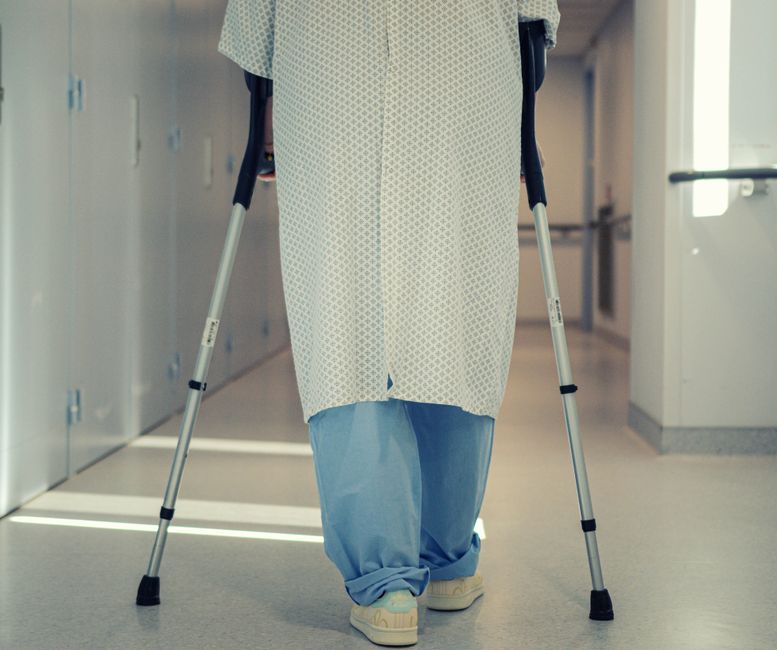
Australian sport has become more open in recent years about the health struggles of its former players. Retired AFL, NRL, and rugby union professionals have spoken publicly about mental health challenges, joint replacements in their 30s and 40s, cardiac concerns, and the long tail of concussion symptoms. Grima's situation adds a new category to that growing list: the surgical complication that takes a healthy ex-athlete to the edge.
Why speaking up matters
Every time a high-profile figure shares a story like this, it does two things at once. It validates the experience of other patients who went through something similar and were not sure whether it counted as serious. And it gives the broader public a concrete example of why post-operative vigilance is not paranoia. Complications from surgery are statistically rare, but they happen, and the people they happen to are not always the people you would expect.
What We Still Don't Know
Several details of the situation are not yet public. The specific type of surgery Grima underwent has not been confirmed in the available reporting, and the medical cause of the near-death episode has not been detailed. Whether the complication was an infection, a clot, a reaction to anaesthesia, or something else entirely is not something the public reporting has specified. Recovery timelines and any long-term effects on his health or daily life are also still emerging.
What is clear is that Grima has come through the worst of the situation, has felt well enough to speak about it, and is using the experience to draw attention to the realities of post-surgical risk. For the AFL community, the story is a reminder that the people they cheered for on Saturdays are not immune to the ordinary dangers of being a patient.
Final Answer: What Happened to Nathan Grima
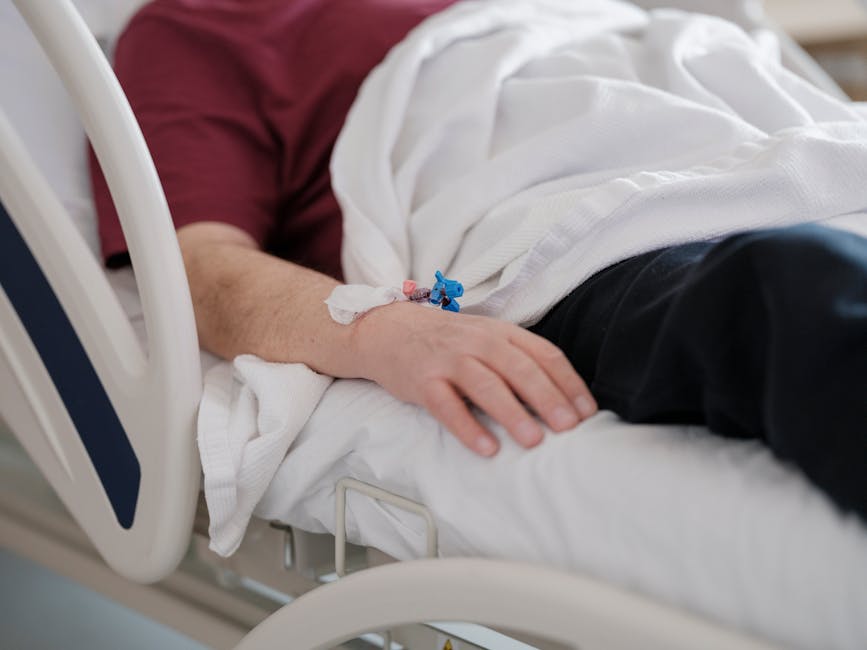
Nathan Grima, a former AFL defender, went in for what was meant to be a minor surgery and, in the days that followed, developed serious complications that escalated into a near-death medical emergency. He has since recovered and shared his story publicly as a warning about the importance of recognising post-surgical warning signs early and advocating for further care when recovery does not follow the expected path. The exact medical cause has not been detailed publicly, but the key takeaway is that even routine procedures carry real risk, and patients should never hesitate to seek help if something feels wrong during recovery.
Frequently asked questions
What happened to former AFL player Nathan Grima?
Nathan Grima went in for what was meant to be minor surgery and later developed serious complications that escalated into a near-death medical emergency. He has since recovered and spoken publicly about the experience.
What surgery did Nathan Grima have?
The specific type of surgery has not been confirmed in public reporting. Available coverage describes the procedure as a minor operation without identifying the exact reason it was performed.
Is Nathan Grima okay now?
Yes. Grima has recovered enough from the episode to share his story publicly, which indicates he is past the most critical phase of his health scare.
What are the warning signs after minor surgery?
Patients should watch for shortness of breath, chest pain, fever, spreading redness or swelling at the surgical site, heavy bleeding, severe pain, and confusion. Any of these symptoms after surgery warrants immediate medical review.