Nepal Flash Floods Live Updates: Hundreds Dead, 1,000+ Missing

Deadly Flash Floods Sweep Through Nepal, Leaving Hundreds Dead and Over 1,000 Missing
A devastating flash flood disaster has struck Nepal, resulting in hundreds of fatalities and leaving more than 1,000 people unaccounted for. The catastrophic event has devastated entire communities, submerged homes, and disrupted critical infrastructure across multiple regions. Emergency responders and humanitarian organizations are working tirelessly to locate survivors and provide aid to affected families.
The Scale of the Disaster: Casualties and Devastation
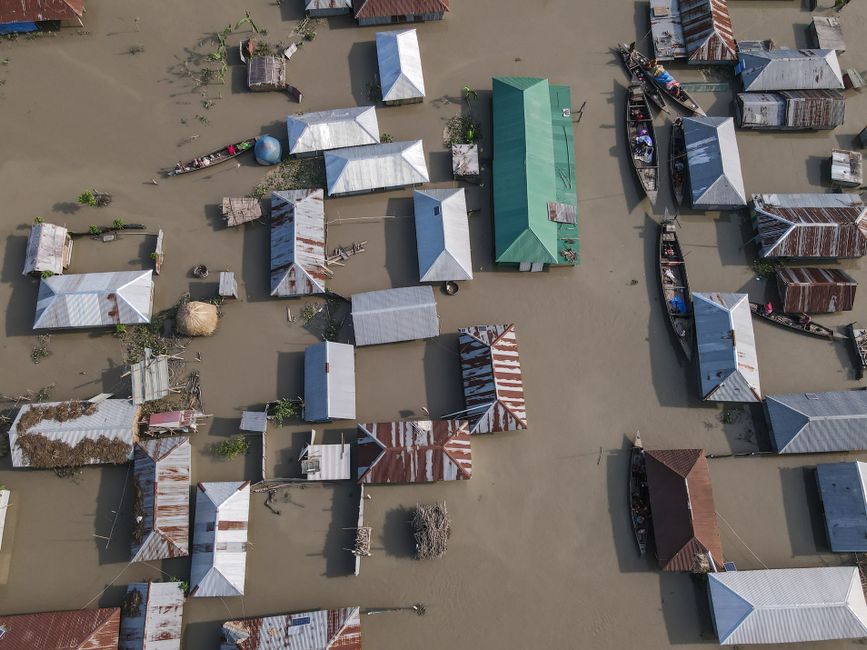
The death toll from the Nepal flash floods has risen to hundreds, with authorities confirming numerous confirmed fatalities. Alongside the loss of life, over 1,000 individuals remain missing as search and rescue operations continue. The floods have claimed not only lives but also entire villages, with entire neighborhoods submerged under swift-moving water. Survivors describe scenes of chaos as they fled rising waters, often with limited time to gather belongings or evacuate.
Impact on Communities and Infrastructure
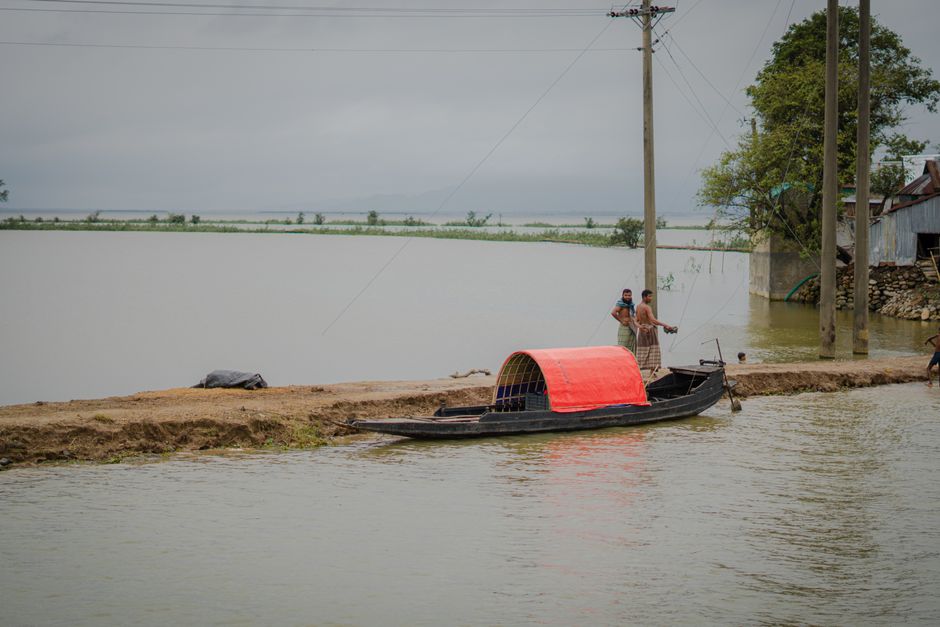
The floods have severely disrupted daily life in Nepal. Homes, roads, and agricultural fields have been destroyed or damaged, leaving thousands homeless. Power lines have been severed, communication networks disrupted, and access to clean water compromised. In some areas, entire school buildings and medical facilities have been swept away, exacerbating the crisis for vulnerable populations.
International Casualties and Missing Persons
Among the missing are 65 Americans, according to reports from CBS News, highlighting the global reach of the disaster. This international dimension underscores the urgency of coordinated rescue efforts and the need for international aid to support local authorities in their response.
The Mechanics Behind the Catastrophe
Experts from The Economist and The New York Times have analyzed the mechanics of the flash floods, emphasizing their extreme speed and unpredictability. These floods occur rapidly, often triggered by intense rainfall or the sudden release of water from upstream dams or landslides. In Nepal's mountainous terrain, such events can accelerate with deadly force, overwhelming even established early warning systems.
Why Flash Floods Are So Unpredictable
Flash floods in Nepal's rugged landscape are particularly dangerous because they can develop within minutes. Heavy monsoon rains or rapid snowmelt can saturate the ground, causing water to surge downhill with little warning. The topography of the region—steep valleys and narrow riverbeds—amplifies the speed and volume of water, turning it into a destructive force capable of sweeping away people, vehicles, and entire structures.
Warning System Failures
According to The New York Times, the speed of these floods likely overwhelmed Nepal's existing warning systems. Authorities struggled to issue timely alerts, and communication infrastructure was quickly compromised as waters swept away key facilities. This breakdown in early warning mechanisms has raised serious questions about disaster preparedness in one of the world's most flood-prone regions.
Environmental and Geological Factors
Geological experts have identified a deadly mudslide as a primary cause of the disaster, with more than 1,300 people still missing, according to Fox News. The mudslide, triggered by saturated soil and intense rainfall, blocked a river's natural course, creating a temporary dam. When this dam burst, it released a massive wave of water and debris downstream, devastating communities in its path.
The Role of Climate Change and Deforestation
Environmental scientists point to deforestation and climate change as contributing factors. The loss of vegetation cover has reduced the land's ability to absorb rainfall, increasing runoff and flood risk. Additionally, changing weather patterns linked to global warming may be intensifying the frequency and severity of extreme precipitation events in the region.
Rescue Operations and Humanitarian Response
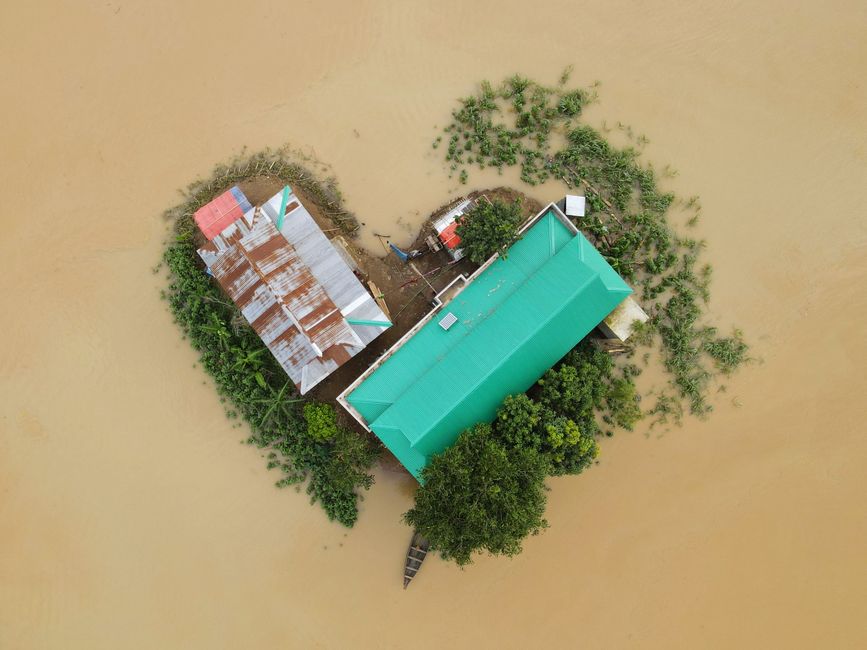
Emergency teams from Nepal and international partners are engaged in continuous search and rescue missions. Helicopters have been deployed to reach isolated communities, while ground teams navigate treacherous terrain to locate survivors. Humanitarian organizations have deployed emergency supplies, including food, water, and medical kits, to affected areas.
Challenges in Disaster Response
Rescue operations face significant challenges. Landslides have blocked roads, and communication networks remain unreliable. In some regions, helicopters are the only means of reaching those in need. Local authorities are coordinating with the military to manage logistics and ensure aid reaches the most vulnerable populations.
International Aid and Cooperation
The international community has pledged support for Nepal's recovery efforts. Neighboring countries, the United Nations, and various NGOs have sent rescue teams, medical supplies, and financial assistance. The involvement of foreign nationals among the missing has also prompted diplomatic coordination to facilitate evacuations and repatriation efforts.
Economic and Social Consequences
The floods have had profound economic and social repercussions. Agricultural livelihoods have been destroyed, and local markets have been flooded or damaged. Displacement has disrupted education, with many schools closed and students unable to attend classes. Mental health impacts are also mounting, as survivors grapple with trauma and uncertainty about their futures.
Long-Term Recovery Needs
Rebuilding efforts will require sustained investment in infrastructure, housing, and community resilience. Experts emphasize the need for improved flood management systems, reforestation programs, and enhanced early warning mechanisms to reduce vulnerability in future disasters.
What We Know About the Nepal Flash Floods Today
Currently, rescue teams continue searching for over 1,000 missing individuals while the death toll remains in the hundreds. Flash floods in Nepal's mountainous regions are driven by rapid water accumulation, often from landslides or intense rainfall, which overwhelm drainage systems and spread destructively downstream. Authorities are working with international partners to manage the crisis, though communication and access challenges persist. The disaster highlights the urgent need for better disaster preparedness and climate adaptation strategies in vulnerable regions.
Frequently asked questions
What caused the Nepal flash floods?
The floods were likely triggered by a combination of intense rainfall, rapid snowmelt, and a deadly mudslide that blocked a river, creating a temporary dam that burst violently downstream.
How many people are dead or missing in the Nepal floods?
Hundreds are confirmed dead, with over 1,000 individuals still missing as rescue teams search for survivors across affected regions.
Are international aid workers involved in the rescue efforts?
Yes, international partners including neighboring countries, the UN, and NGOs have deployed rescue teams, medical supplies, and financial assistance to support Nepal's response.
What steps are being taken to prevent future disasters?
Experts emphasize the need for improved early warning systems, reforestation, and climate adaptation strategies to reduce vulnerability and enhance disaster preparedness in Nepal.