NSW Gun Buyback Launched After Bondi Attack
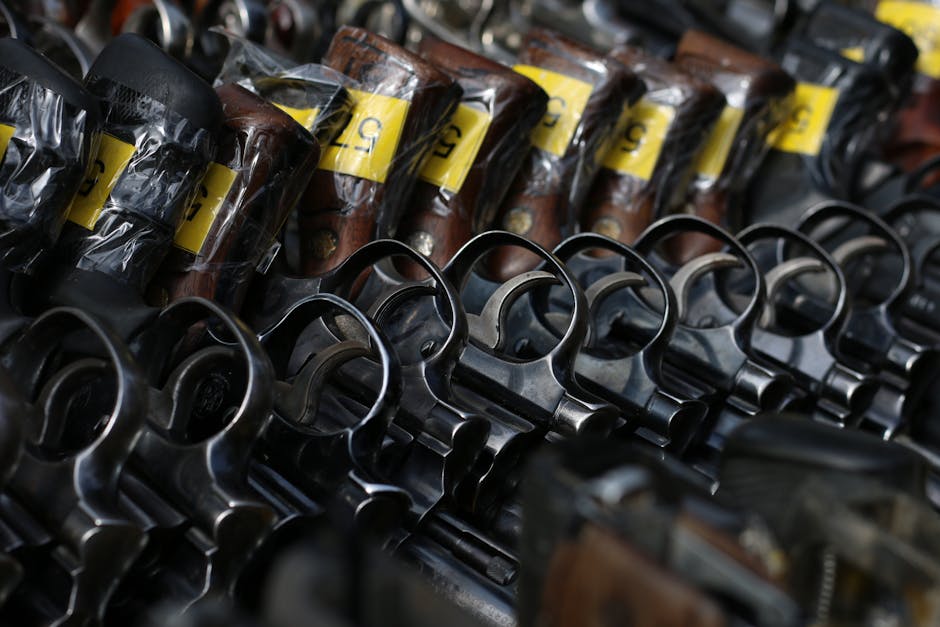
NSW Gun Buyback Scheme Announced in Wake of Bondi Terror Attack
The NSW government has officially launched a gun buyback scheme following the Bondi terror attack, signaling a significant shift in Australia's approach to firearms regulation. The initiative aims to address public concerns about gun violence while navigating complex legal and social landscapes. This article explores the scheme's origins, objectives, and potential impact on national gun policy.
Understanding the NSW Gun Buyback
A gun buyback involves government authorities purchasing firearms from private owners, often in exchange for cash or incentives. Such programs are typically implemented to reduce the number of illegal or unsafe weapons in circulation. The NSW scheme was directly prompted by the Bondi attack, where a suspect used a firearm to carry out violence, prompting urgent calls for action from residents and lawmakers.
Why Now? The Triggering Event
The Bondi attack, which occurred in late 2022, became a catalyst for the buyback. Though details of the incident remain limited in public reports, the attack underscored vulnerabilities in existing gun laws. Authorities sought to preempt similar tragedies by removing firearms from high-risk individuals or unsecured locations.
Key Objectives of the Scheme
The primary goal of the NSW gun buyback is to enhance public safety by reducing accessible firearms. While specific targets like the number of guns collected aren't disclosed, the program likely focuses on high-capacity weapons, illegal firearms, or those owned by individuals with criminal ties. It also reflects broader political pressure to align Australia's gun control with global standards.
Balancing Rights and Safety
Critics argue that buybacks infringe on lawful gun owners' rights, while supporters view them as a pragmatic measure. The NSW government has emphasized voluntary participation, avoiding mandatory confiscations. This approach aims to foster community trust while addressing security concerns.

Public and Political Reactions
The scheme has sparked mixed responses. Proponents highlight its potential to prevent gun-related violence, citing similar programs in other states. Opponents, including some conservative groups, warn of overreach and question the effectiveness of buybacks compared to stricter licensing laws. Social media has seen debates about whether the program addresses root causes of violence.
Community Engagement Efforts
To encourage participation, the NSW government has organized collection centers in major cities and rural areas. Public awareness campaigns, including press conferences and community meetings, have been held to explain the scheme's benefits and process. However, uptake remains uncertain, with some residents skeptical about the program's scope.
Legal and Policy Implications
The buyback could set a precedent for future gun reforms. While the scheme itself is temporary, it may influence broader legislative changes, such as tighter storage requirements or enhanced background checks. Legal experts note that such programs must comply with existing federal and state gun laws, which vary across Australia.
Precedents in Other Jurisdictions
Similar buyback programs in the U.S. and Canada have shown mixed results. Some reduced gun violence short-term, while others faced challenges in long-term compliance. Australia's unique context, with stricter licensing compared to the U.S., may affect the NSW scheme's outcomes. Analysts stress that buybacks work best as part of a comprehensive strategy.
What This Means for Gun Owners
Legitimate gun owners in NSW can participate by contacting local authorities to arrange pickups. The process is designed to be discreet and hassle-free, though details about compensation remain unclear. Owners with permits for hunting or sport shooting may need to verify their eligibility separately.
Addressing Concerns
Concerns about privacy and data collection have arisen. The government has assured participants that personal information will not be shared without consent. However, skeptics urge transparency about how data will be used to prevent misuse.
Conclusion: Does the Buyback Solve the Problem?
The NSW gun buyback scheme directly addresses the immediate fallout from the Bondi attack but may not resolve underlying issues like illegal gun trafficking or mental health factors in violence. Its success hinges on public participation and integration with broader reforms. For now, it serves as a symbolic and practical response to a traumatic event.
Frequently asked questions
What is the NSW gun buyback scheme?
The NSW gun buyback is a government program launched after the Bondi terror attack, where authorities purchase firearms from private owners to reduce gun violence and enhance public safety.
How does the buyback work?
Residents can voluntarily surrender firearms to designated locations, where they are collected and destroyed or disposed of securely, often in exchange for cash or incentives.
Will this affect lawful gun owners?
The scheme targets illegal or high-risk firearms but allows lawful owners to participate voluntarily. Participants must confirm their firearms meet eligibility criteria.
What impact could this have on Australian gun laws?
The buyback may influence future legislation by highlighting public demand for stricter gun control, though specific policy changes will depend on political and legal processes.