Ontario seeks federal aid as wildfires force evacuations
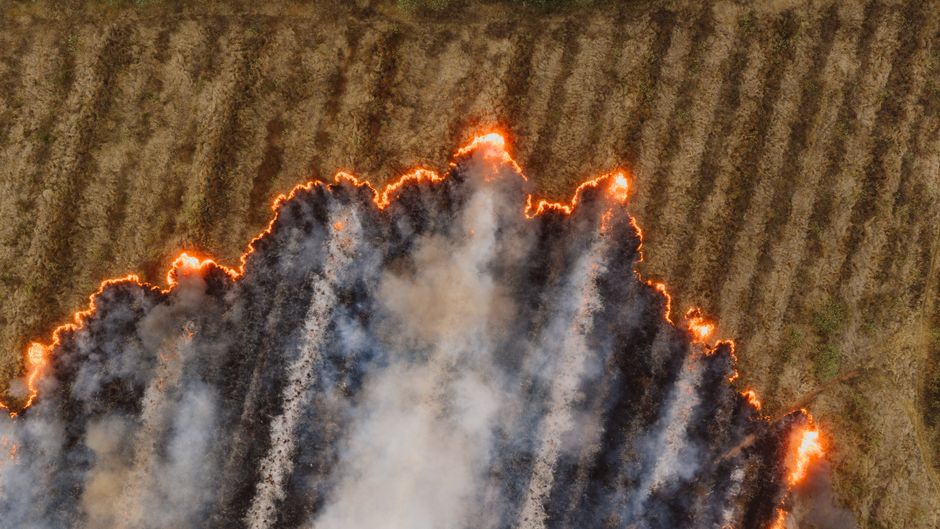
Ontario calls for federal help as wildfires escalate
Ontario has formally requested federal assistance to manage evacuations as wildfires ravage remote communities across the province. The blazes, fueled by dry conditions and high winds, have forced hundreds to flee their homes with little warning. Emergency responders are struggling to contain multiple fires simultaneously.
Critical infrastructure at risk
Reports indicate several First Nations communities and isolated towns face immediate danger. A viral video showed a freight train completely surrounded by flames, highlighting the extreme conditions firefighters are confronting.
Evacuation challenges in remote regions
Officials emphasize the particular difficulties of evacuating northern Ontario communities, where limited road access and vast distances complicate emergency response. Many evacuation routes themselves are threatened by advancing fires.
Military resources may be deployed
The federal government is evaluating Ontario's request for additional air support and personnel. Military aircraft could be used to transport evacuees from areas where commercial flights are impossible due to smoke.

Climate patterns worsen wildfire threat
Experts note this year's fire season started unusually early and intensely. The current crisis follows record-breaking temperatures across Canada last month, creating tinder-dry conditions in northern forests.
Historical context of Canadian wildfires
While wildfires are normal in Canada's boreal forests, climate scientists warn that rising temperatures are extending fire seasons and increasing their severity. Last year's record fires displaced over 200,000 Canadians nationwide.

Economic impact on northern communities
The blazes threaten critical infrastructure including rail lines, highways and power transmission corridors. Disruptions to these networks could have lasting consequences for remote economies already struggling with isolation.
Tourism industry faces losses
Popular northern destinations have canceled summer reservations as smoke blankets large regions. The economic ripple effects may persist long after fires are extinguished.
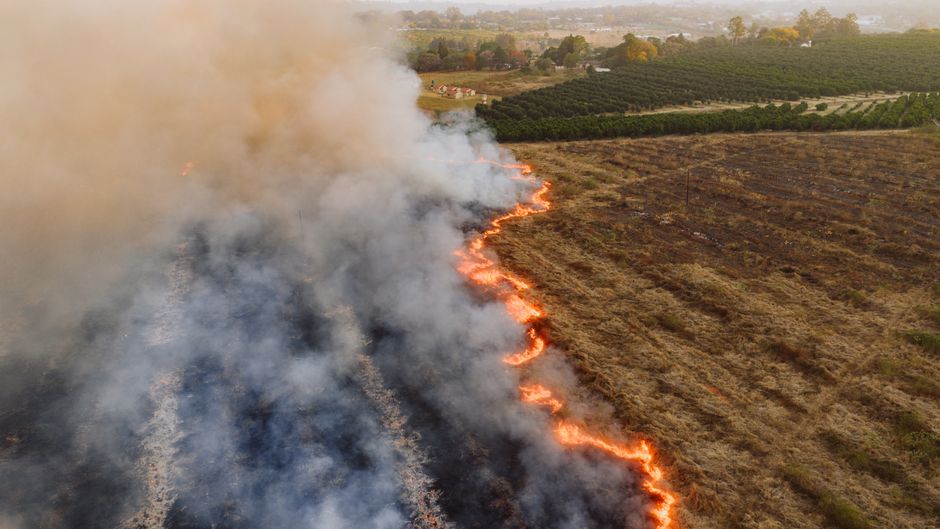
How Ontario's wildfire crisis compares nationally
While British Columbia and Alberta typically experience more severe wildfires, Ontario's current situation demonstrates how climate change is expanding high-risk zones. The province has already exceeded its 10-year average for area burned this season.
Interprovincial firefighting resources stretched
Canada's system of sharing firefighting personnel between provinces is being tested as multiple regions face simultaneous crises. Some crews have been working continuously for weeks.
What happens next with Ontario's wildfires
Officials warn the situation may worsen before improving, with no significant rain forecast in affected areas. The province has activated emergency protocols to coordinate evacuations and resource allocation as conditions evolve.
Frequently asked questions
Why is Ontario requesting federal help for wildfires?
Ontario needs additional resources for evacuations and firefighting as multiple blazes overwhelm local capabilities, particularly in remote northern communities with limited infrastructure.
How bad are the wildfires in Ontario right now?
The fires have forced widespread evacuations, threatened critical infrastructure, and produced dramatic scenes like a freight train completely surrounded by flames, with officials warning conditions may worsen.
Are the Ontario wildfires related to climate change?
While wildfires occur naturally, experts note climate change is extending fire seasons and increasing their intensity, with this year's early and severe fires following record-breaking temperatures.
What areas of Ontario are most affected by wildfires?
Remote northern communities and First Nations reserves face the greatest immediate danger due to their isolation and limited evacuation routes, though smoke affects much of the province.