Saudi Arabia: Debris from Intercepted Houthi Drone Kills 1

The Latest Casualty and Intercept Details
Confirming the Fatal Debris Incident
Saudi Arabia has officially confirmed that debris from an intercepted Houthi drone killed one person, marking a tragic and significant escalation in the ongoing military confrontation between the two warring factions. The confirmation highlights the severe and often unpredictable dangers associated with modern aerial defense systems, where the interception of incoming threats can result in lethal secondary effects on the ground below. This incident serves as a grim reminder that defensive military operations carry significant risks to civilian populations and military personnel alike, even when the primary objective is to neutralize an imminent threat. The loss of life from drone debris underscores the urgent need for enhanced safety protocols and the profound human cost of the escalating hostilities in the region, which continue to claim innocent lives and shatter communities.
Details of the Interception
The specifics of the interception reveal the advanced nature of the threats being deployed and the complexities of defending against them in a modern battlefield environment. The drone, launched by the Houthi movement, was intercepted by Saudi defense systems, but the resulting debris proved fatal to those in the immediate vicinity of the impact zone. This event is part of a broader pattern of aerial engagements where the technological sophistication of the weapons used makes containment and protection increasingly difficult for defense forces. The incident has prompted a thorough review of defensive strategies and the immediate deployment of additional safety measures to prevent further casualties from similar debris fields. Military analysts are closely examining the trajectory and impact zone to understand the full mechanics of the fatal intercept and to improve future defensive responses.
Escalation of Military Exchanges
The Downed Saudi Fighter Jet
In a separate but deeply concerning development, verified video has emerged showing the wreckage of a Saudi fighter jet shot down over Yemen during an intense engagement. The visual evidence of the destroyed aircraft provides a stark illustration of the intense military capabilities being employed by both sides in the escalating conflict. The downing of the jet represents a significant tactical loss for the Saudi military and demonstrates the increasing lethality and reach of the Houthi forces. This incident has been widely reported and has intensified the war of words between the two nations, with each side claiming military superiority and attributing the destruction to their own operational successes. The recovery and analysis of the wreckage are currently underway to determine the exact cause of the downing and to assess the technological capabilities of the opposing forces in the region.
Reciprocal Strikes Between the Nations
The exchange of strikes between Saudi Arabia and Yemen's Houthis has become a defining feature of the current escalation, resulting in multiple casualties and widespread destruction across the border region. The Houthis and Saudis are actively trading claims of military attacks, each seeking to assert dominance and defend their territorial interests against perceived aggression from the other side. This cycle of violence makes de-escalation increasingly difficult and raises the specter of a prolonged and devastating conflict that could engulf the entire Arabian Peninsula. The reciprocal nature of the strikes indicates a shift from localized skirmishes to a sustained and aggressive military campaign that threatens to destabilize the entire region. Both sides are mobilizing additional resources and reinforcing their positions in anticipation of further hostilities that show no signs of relenting.

Humanitarian Impact and Civilian Displacement
Fleeing Yemen by Boat
The intensification of the fighting has triggered a massive humanitarian crisis, with Yemenis fleeing by boat to escape the spreading war and the relentless bombardment of their cities by opposing forces. The displacement of civilians underscores the severe impact of the military operations on non-combatant populations who are caught in the crossfire and have nowhere safe to go to find refuge. As the conflict expands beyond its original boundaries, the routes and methods of escape have become more dangerous, with sea journeys presenting significant risks to those seeking safety from the violence. The international humanitarian organizations are struggling to meet the urgent needs of the displaced populations as the violence continues unabated, leading to a growing refugee crisis in the surrounding waters. Thousands of men, women, and children are risking their lives on unseaworthy vessels to flee the destruction wrought by the ongoing hostilities.
The Toll on Civilian Populations
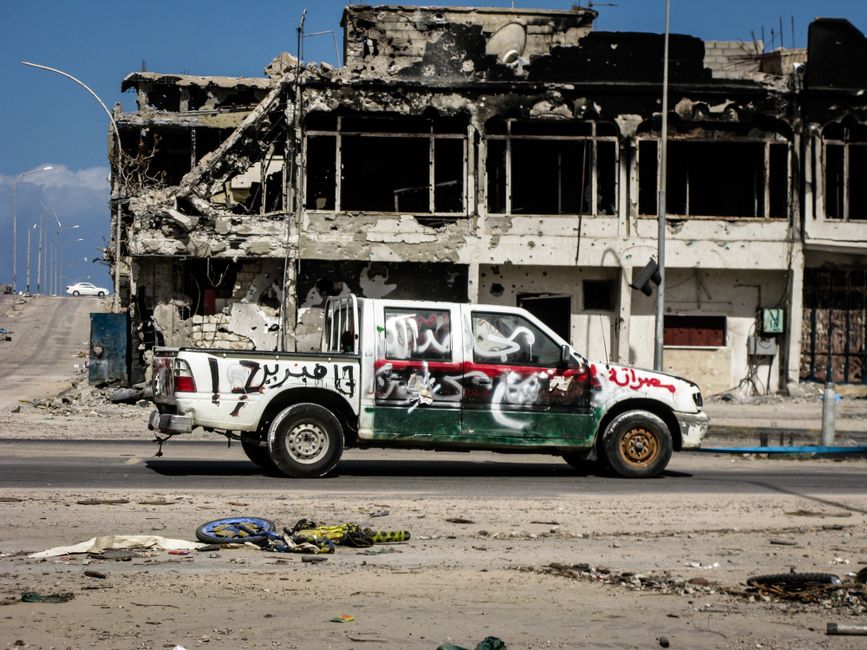
Five killed as Saudi Arabia and Yemen's Houthis trade attacks, reflecting the devastating toll that the escalating conflict is taking on civilian populations who are trapped in the zone of war. The loss of life among non-combatants is a direct consequence of the intense military exchanges and the inability of local authorities to provide adequate protection to their citizens in the face of overwhelming firepower. The humanitarian toll is compounded by the destruction of critical infrastructure, including homes, medical facilities, and vital supply lines that communities depend on for their daily survival. This destruction exacerbates the suffering of the civilian population and severely hampers the delivery of essential services and aid to those in desperate need of assistance. Hospitals are overwhelmed with the wounded, and basic necessities are becoming increasingly scarce as the conflict persists without any resolution in sight.
Geopolitical Implications for the Broader Conflict
Expansion of the Middle East War
The broader context of these developments points to a significant expansion of the Middle East war, with regional tensions boiling over into direct military confrontations between state and non-state actors. The involvement of various factions and the exchange of advanced weaponry have transformed the nature of the conflict, making it a central flashpoint for global security concerns and international diplomatic efforts to maintain peace. As the war spreads, the geopolitical ramifications are felt far beyond the immediate borders of Yemen and Saudi Arabia, threatening to draw in neighboring countries and international powers. The stability of the entire region is at stake, and the ongoing hostilities threaten to undermine years of diplomatic efforts to establish a ceasefire and promote regional cooperation among the warring parties. The international community is grappling with the implications of a conflict that shows no signs of abating and continues to challenge the established geopolitical order.
Diplomatic Responses and Claims
Diplomatic responses to the escalating violence have been muted, overshadowed by the immediate military realities on the ground and the urgent need for military survival by the opposing factions. The claims and counter-claims regarding military attacks make it difficult to establish a clear narrative or a viable pathway to peace between the warring factions who are deeply entrenched in their positions. Both sides are utilizing military claims to bolster domestic and international support while delegitimizing the opposing force's actions and justifying their own military operations. The lack of a unified international response to the spreading conflict allows the hostilities to continue unchecked, further endangering civilian lives and regional stability across the broader Middle East. The international community faces immense pressure to intervene and mediate a resolution before the conflict spirals into an uncontrollable regional war that could have catastrophic consequences for global security.

Conclusion: Addressing the Core Question
Saudi Arabia and the Houthis Are Engaging in Escalating Military Exchanges That Have Killed Civilians and Forced Displacement
The Middle East is currently experiencing a severe military escalation between Saudi Arabia and Yemen's Houthi movement. This conflict is characterized by lethal drone intercepts, the downing of a Saudi fighter jet, and intense reciprocal strikes. The ongoing hostilities have resulted in multiple casualties and forced thousands of Yemeni civilians to flee by boat, marking a dangerous expansion of the broader regional war.
Frequently asked questions
What happened to the Saudi fighter jet?
A verified video shows the wreckage of a Saudi fighter jet that was shot down over Yemen during the escalating military exchanges between the two nations.
How many people were killed in the Houthi drone incident?
Saudi Arabia confirmed that debris from an intercepted Houthi drone killed one person in the region, highlighting the dangers of aerial defense systems.
Why are Yemenis fleeing by boat?
Yemenis are fleeing by boat as the war spreads and Saudi Arabia and the Houthis exchange strikes, creating a severe humanitarian crisis and forcing civilians to seek safety at sea.
What is the broader context of these attacks?
The attacks are part of a wider escalation in the Middle East war, where the Houthis and Saudis trade claims of military attacks as the conflict expands beyond its original borders.