Ship Disabled by Attack in Strait of Hormuz: Latest Updates

Understanding the Strait of Hormuz Crisis
The Strait of Hormuz remains one of the world's most critical maritime chokepoints, and recent attacks have renewed international concern about безопасность судоходства in the Persian Gulf region. A vessel was disabled by an attack in the Strait of Hormuz, marking yet another escalation in a series of incidents that have plagued this vital waterway over the past six months.
The strait, which connects the Persian Gulf to the Gulf of Oman, handles approximately 20% of the world's oil shipments daily. Any disruption to traffic through this narrow passage has far-reaching consequences for global energy markets and international trade. Recent reports indicate that maritime agencies have documented 68 separate incidents near the Strait of Hormuz during a six-month period, resulting in at least 20 deaths.
The Geography and Strategic Importance of the Strait
The Strait of Hormuz is approximately 21 miles wide at its narrowest point, with the shipping channel itself measuring just a few miles across. This geographical constraint makes vessels particularly vulnerable to attacks, as they must pass through a predictable corridor where they can be targeted with relative ease. The combination of narrow passages, heavy traffic, and ongoing geopolitical tensions creates a perfect storm for maritime incidents.
International shipping companies have expressed growing alarm at the deteriorating security situation. Insurance premiums for vessels transiting the region have risen sharply, and some operators have begun avoiding the strait entirely, opting for longer routes that significantly increase transportation costs and delivery times.
The Recent Tanker Attack and Its Aftermath
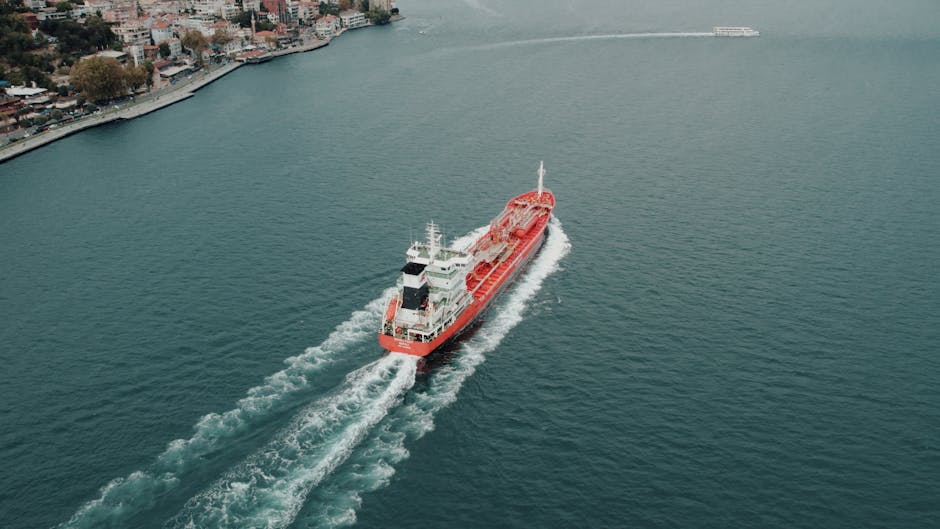
Reports from multiple news sources confirm that a new tanker strike occurred in the Strait of Hormuz as Iran vowed retaliation for what it described as a U.S. economic offensive. The attack disabled the vessel, leaving it stranded and requiring assistance from nearby ships and rescue services.
The timing of this incident is particularly significant given the escalating rhetoric between Iran and the United States. Iranian officials have made clear that they view American economic sanctions as an act of warfare, and they have signaled their intention to respond through asymmetric means, including targeting commercial shipping in international waters.
Casualties and Human Cost of the Crisis
According to reporting from USNI News, two mariners were killed in the Strait of Hormuz amid these escalating tensions. This tragic loss of life underscores the very real dangers faced by seafarers operating in the region. The International Maritime Organization has called for all parties to respect international law and ensure the safety of maritime personnel.
The human cost extends beyond immediate casualties. Crew members aboard vessels transiting the region live with constant fear of attack, and many have reported psychological distress related to their work in these dangerous waters. Shipping unions have demanded improved security measures and greater protection for merchant mariners.
The Broader Pattern of Incidents
The disabled ship incident is not an isolated event but rather part of a troubling pattern of attacks that has unfolded over the past six months. Maritime security analysts have documented 68 separate incidents near the Strait of Hormuz during this period, ranging from attempted boardings to direct attacks with explosive devices and missiles.
The sophistication of these attacks has also increased over time. Early incidents primarily involved small arms fire and attempted hijackings, but recent attacks have employed advanced naval mines, anti-ship missiles, and explosive-laden drones. This evolution in tactics suggests either technological advancement by hostile actors or the introduction of new participants with more sophisticated capabilities.
Regional Geopolitical Dynamics
The current crisis cannot be understood without examining the broader geopolitical context. Iran has long maintained that it has a right to respond to what it perceives as hostile actions by the United States and its allies. The U.S. economic offensive, which includes sweeping sanctions targeting Iran's oil exports and banking sector, has placed significant pressure on the Iranian economy.
Iranian officials argue that restricting Iran's ability to sell oil constitutes an economic attack that justifies a proportional response. From Tehran's perspective, targeting Western shipping interests serves as a form of leverage, demonstrating that efforts to strangle the Iranian economy will not come without consequences for the global economy.

International Responses and Diplomatic Efforts
The international community has reacted with alarm to the deteriorating security situation. Multiple governments have issued travel advisories warning vessels to avoid the region or exercise extreme caution when transiting the strait. The United States has led efforts to form a coalition aimed at providing naval escorts for commercial shipping, though participation has been uneven.
European nations have called for de-escalation while simultaneously expressing support for the nuclear deal that was abandoned by the United States in 2018. Russia and China, both of which have economic interests in the region, have urged all parties to exercise restraint and respect international maritime law.
The Role of Naval Forces
Multiple naval forces maintain a presence in the Gulf region, including the U.S. Fifth Fleet, British Royal Navy vessels, and various regional naval assets. These forces have intercept attempted attacks and provided escorts for commercial vessels, but they cannot guarantee complete security given the vast area to be monitored and the asymmetric nature of the threat.
U.S. President Donald Trump has stated that the Strait of Hormuz has been demined and warned of a policy of zero tolerance for mines. This assertion has been met with skepticism by some analysts, who note that identifying and removing all naval mines from a passage of this size would be an enormous undertaking requiring extensive operations over an extended period.

Impact on Global Energy Markets
The Strait of Hormuz's significance to global energy markets cannot be overstated. Any disruption to traffic through this waterway immediately affects oil prices worldwide, with consequent impacts on gasoline prices, industrial costs, and economic growth. Analysts have warned that a prolonged closure or significant escalation in attacks could push oil prices to levels that would destabilize economies around the world.
Major oil-consuming nations have expressed concern about the situation and have urged all parties to keep the strait open. China, which imports significant quantities of oil from the Persian Gulf, has been particularly vocal in its concerns, though it has stopped short of directly blaming Iran for the attacks.
Adaptation by the Shipping Industry
The shipping industry has begun adapting to the new reality of operating in a contested waterway. Some vessels have installed defensive countermeasures, including electronic warfare systems and point-defense weapons. Others have reduced speed to minimize damage in the event of an attack, while still others have altered routes to minimize time spent in the most dangerous areas.
These adaptations come with significant costs. Longer routes add weeks to voyage times, increasing fuel consumption and crew expenses. Defensive equipment is expensive to purchase and maintain. Insurance premiums have risen dramatically. Ultimately, these costs are passed on to consumers in the form of higher prices for imported goods.
The Path Forward: Prospects for De-escalation
The current trajectory points toward continued tension and the possibility of further attacks. Without a diplomatic breakthrough that addresses the underlying grievances of all parties, the Strait of Hormuz will remain a flashpoint in the ongoing confrontation between Iran and its adversaries.
Some analysts have proposed confidence-building measures that could reduce tensions, such as mutual agreements to refrain from attacking neutral shipping or the establishment of safe passage corridors under international protection. Others have suggested that back-channel negotiations might create space for compromise on the economic sanctions that lie at the heart of the dispute.
The Stakes for International Security
The Strait of Hormuz crisis represents a test of the international system's ability to maintain open seas and free commerce in the face of geopolitical conflict. If major powers cannot find ways to protect shipping from attack, the implications extend far beyond the Middle East, raising questions about the future of global trade and the stability of the international order.
Seafarers, shipping companies, and governments around the world are watching developments closely, hoping for a resolution that will allow the vital arteries of global commerce to flow freely once again. Until such a resolution emerges, the disabled ship and its crew serve as a stark reminder of the dangers that continue to threaten this critical waterway.
Frequently asked questions
What happened to the ship that was disabled in the Strait of Hormuz attack?
A vessel was disabled by an attack in the Strait of Hormuz amid escalating regional tensions. The incident is part of a broader pattern of attacks that have plagued the vital waterway, with 68 incidents documented near the strait over a six-month period resulting in at least 20 deaths.
How many casualties have occurred in Strait of Hormuz incidents recently?
At least 20 people have died in 68 separate incidents near the Strait of Hormuz over a six-month period. Additionally, two mariners were killed specifically in the Strait of Hormuz region during recent attacks, highlighting the ongoing dangers faced by commercial shipping crews.
Why is the Strait of Hormuz strategically important?
The Strait of Hormuz connects the Persian Gulf to the Gulf of Oman and handles approximately 20% of the world's daily oil shipments. Its narrow width, with the shipping channel measuring just a few miles across, makes it a critical chokepoint vulnerable to disruption and attack.
What is the current diplomatic situation regarding the Hormuz attacks?
Iran has vowed retaliation for what it describes as a U.S. economic offensive, while the United States has claimed the strait has been demined and warned of zero tolerance for mines. International efforts to form protective coalitions for commercial shipping have had uneven participation, and calls for de-escalation have yet to produce a breakthrough.