Taliban Education Toll: Impact on Girls and Boys in Afghanistan
Introduction: The Collapse of Educational Access
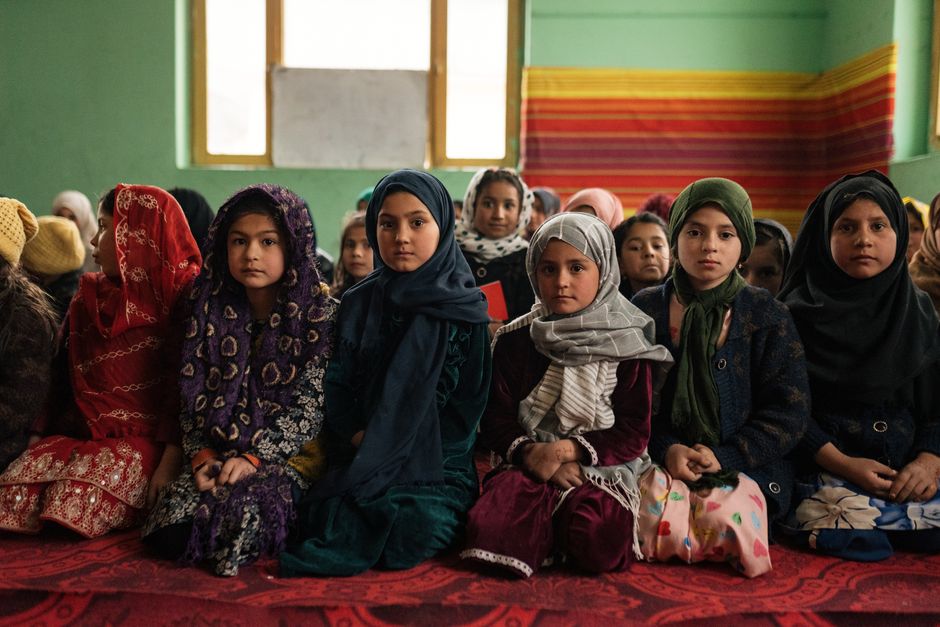
In August 2021, the Taliban's return to power in Afghanistan marked a dramatic shift in the country's educational landscape. What began as a rapid military takeover quickly evolved into a systematic dismantling of educational access for millions of students. While the initial focus was on the near-total ban on secondary education for girls, the broader implications extend far beyond gender-specific policies. Recent reports reveal that the Taliban has taken a terrible toll on the education of girls — and boys as well. This article examines how the group's policies have disrupted learning for all Afghan children, creating a generation at risk of being left behind.
Impact on Girls Education: A Systematic Erasure
The most visible and devastating effects of Taliban rule have been felt by Afghan girls and women. Within months of seizing control, the Taliban imposed strict restrictions on female education, effectively banning girls from attending secondary school. This decision has left approximately 3.5 million girls without access to education, according to UN estimates. The ban has not only deprived girls of academic opportunities but has also reinforced broader societal exclusion.
Long-term Consequences for Women
The New York Times reported that Afghan women have been systematically erased from public life in the five years of Taliban rule. This erasure extends beyond the classroom. Women are barred from most workplaces, prohibited from using public transportation, and restricted from participating in public spaces. The loss of educational opportunities has compounded these restrictions, creating a cycle of dependency and marginalization. Without access to higher education, women are unable to enter professions that require formal qualifications, further entrenching their exclusion from economic and civic life.
The Psychological Toll
Beyond structural barriers, the ban on girls' education has inflicted deep psychological harm. Many families have been forced to make heartbreaking choices between protecting their daughters and preserving their education. Teachers who were once passionate about educating girls now face the impossible task of hiding their classrooms or risking arrest for continuing their work. The trauma of losing their right to learn has left an indelible mark on a generation of Afghan girls, with long-term implications for their mental health and future prospects.
Impact on Boys Education: A Broader Crisis
While the focus on girls' education restrictions dominates headlines, the Taliban's policies have also severely impacted boys. The group's approach to education is not merely about excluding one gender; it is about reshaping the entire educational system to align with their strict interpretation of Islamic law. Schools have been closed, teachers dismissed, and curricula revised to emphasize religious instruction over secular subjects.
Disruptions in Primary Education
Even primary education, once a universal right, has become precarious. Reports from The Economist indicate that many schools have been repurposed as military centers or abandoned altogether. Boys from minority groups, including Shiite Muslims and ethnic minorities, face additional barriers. Teachers from these communities have been targeted or forced to flee, leaving students without qualified instructors. The quality of education available to boys has declined significantly, with classrooms often lacking basic resources like textbooks and furniture.
Restrictions on Higher Education
The Taliban has also imposed strict conditions on male students pursuing higher education. Universities have been restructured to prioritize religious studies, and even universities that once offered secular programs now operate under tight ideological constraints. Male students who wish to study subjects like science, literature, or law must navigate a system that prioritizes the Taliban's interpretation of Islamic principles over academic freedom. This has discouraged many families from sending their sons to university, fearing that their degrees may not be recognized internationally.
International Response and Aid Restrictions
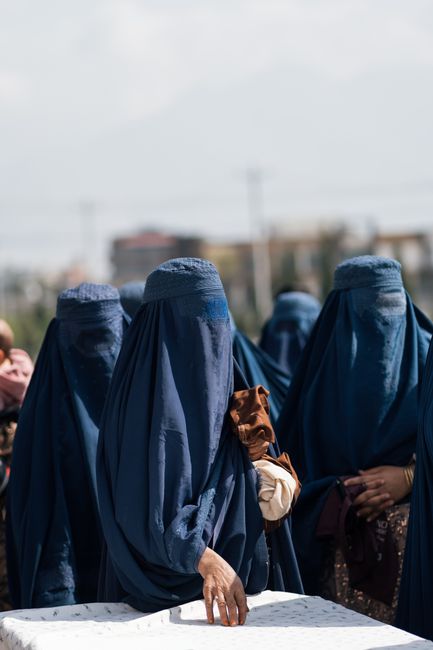
The global community has struggled to respond effectively to the educational crisis in Afghanistan. The United Nations and various humanitarian organizations have condemned the Taliban's policies, but their ability to intervene is limited by the group's refusal to engage with many Western institutions. The Taliban's demand that aid be delivered directly to the government, rather than through NGOs, has created a bottleneck that leaves millions without essential services, including education.
The Role of Donor Countries
Donor countries have withheld funding in protest of the Taliban's human rights violations, including the ban on girls' secondary education. This has resulted in a severe shortage of resources for maintaining schools and supporting teachers. The World Bank and other financial institutions have suspended programs that once provided critical support to Afghanistan's education sector, further exacerbating the crisis.
Limited Local Initiatives
Despite these challenges, some local organizations have found ways to provide education in secret. Underground schools for girls operate in homes and hidden locations, run by volunteer teachers who risk punishment for their efforts. However, these initiatives are fragile and cannot replace a formal education system. The lack of international support has rendered such efforts unsustainable, leaving countless children without viable alternatives.
Long-term Consequences for Afghanistan
The Taliban's educational policies are not just immediate restrictions; they represent a long-term strategy to create a society devoid of critical thinking and pluralism. By denying access to education, the group aims to produce a population that is compliant and ideologically aligned with their vision. This has far-reaching implications for Afghanistan's future.
Economic Stagnation
An uneducated population cannot sustain economic growth. The loss of human capital means that Afghanistan will struggle to develop industries, innovate, or attract foreign investment. The country's already fragile economy, which depends heavily on humanitarian aid, will face even greater challenges as a new generation of educated professionals is denied the tools to contribute to society.
Brain Drain and Exodus
Many of Afghanistan's educated professionals, including teachers and doctors, have fled the country to escape persecution. The brain drain has left critical sectors understaffed and under-resourced. Those who remain face the impossible task of rebuilding an educational system while navigating the Taliban's restrictive policies. The exodus of talent has created a vicious cycle: fewer qualified educators mean lower-quality education, which in turn discourages families from investing in their children's schooling.
Conclusion: The Human Cost of Educational Suppression
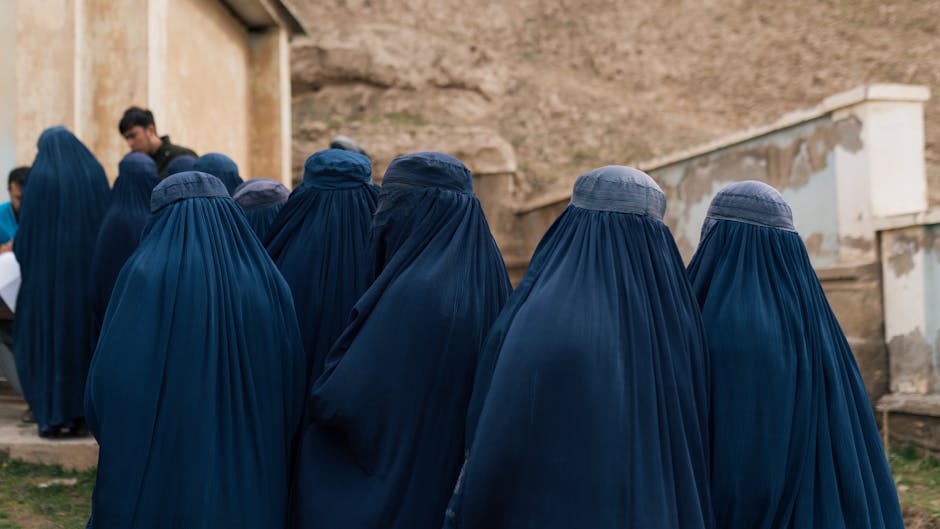
The Taliban's policies have created a humanitarian crisis that extends far beyond the classroom. The systematic exclusion of girls from secondary education, coupled with the broader restrictions on boys' learning, has left a generation of Afghan children without the foundation necessary to build their futures. The psychological trauma, economic stagnation, and social exclusion that result from these policies will reverberate through Afghan society for decades. While international condemnation has grown louder, the reality remains that millions of children are being denied their fundamental right to education. The international community faces a moral imperative to find ways to support education in Afghanistan, even as the Taliban continues to tighten its grip on the country's future.
Frequently asked questions
How has the Taliban affected girls' education in Afghanistan?
The Taliban has banned girls from attending secondary school, effectively cutting off education for millions of girls. This has led to their systematic exclusion from public life and professions requiring formal qualifications.
What impact has the Taliban's rule had on boys' education?
Boys' education has also been disrupted, with many schools closed, teachers dismissed, and curricula revised to emphasize religious instruction. Students from minority groups face additional barriers, and university access is restricted.
What are the long-term consequences of the Taliban's educational policies?
The policies risk creating a generation without critical thinking skills, leading to economic stagnation, a brain drain of educated professionals, and deep societal trauma that will persist for decades.
How has the international community responded to the education crisis in Afghanistan?
The UN and humanitarian organizations have condemned the policies, but their ability to intervene is limited by the Taliban's refusal to engage with many Western institutions and the suspension of aid programs by donor countries.