Trump Fast-Tracks Military Cooperation With Colombia
Background of U.S.-Colombia Military Engagement
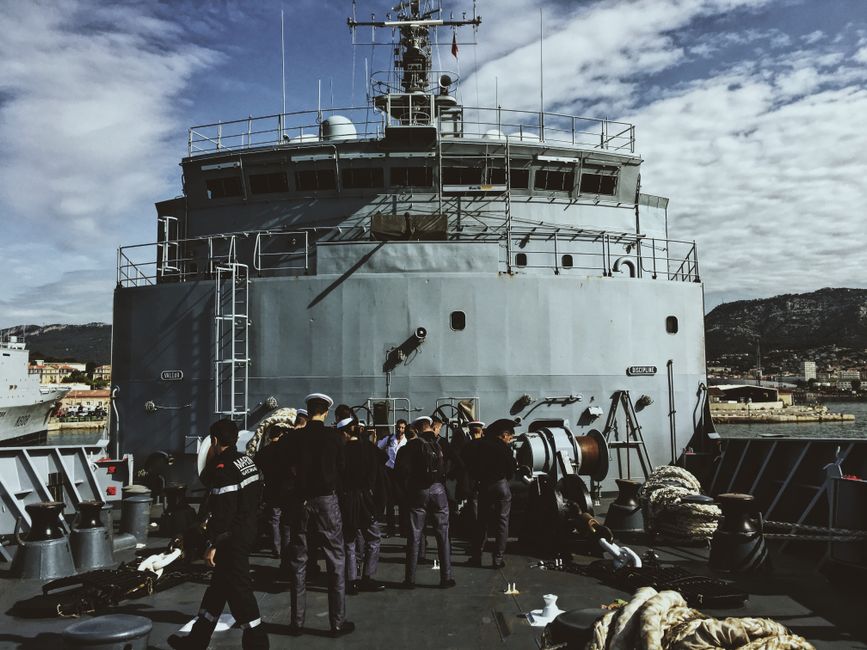
The Trump administration's decision to fast-track military cooperation with Colombia marks a significant shift in regional security dynamics. This move comes as Colombia prepares to install a new president known for his hard-line stance on armed groups and security issues. The administration's actions reflect a strategic recalibration of U.S. interests in Latin America, particularly in a region where instability has long been a concern.
Historical Context of U.S.-Colombia Relations
Historical ties between the United States and Colombia have included military cooperation, particularly through programs like the U.S. Southern Command's initiatives to combat drug trafficking and insurgent activities. However, the current acceleration of these efforts under the Trump administration signals a renewed emphasis on direct security collaboration, possibly in response to evolving threats in the region.
Security Priorities of Colombia's New Leadership
Colombia's incoming president has made security a central pillar of his agenda, with a particular focus on dismantling armed groups that have destabilized the country for decades. His campaign promises included a aggressive crackdown on illegal armed movements, a stance that aligns with the Trump administration's broader approach to regional security issues.
Focus on Armed Groups and Peace Process Challenges
The new president's security platform directly challenges Colombia's fragile peace process, which has faced criticism for its slow progress and lingering violence. His administration has pledged to remodel the country's approach to conflict resolution, prioritizing forceful action over diplomatic engagement. This shift has raised concerns about the sustainability of peace efforts but has also drawn support from segments of the population weary of violence.
U.S. Motivations Behind Accelerated Cooperation
The Trump administration's decision to fast-track military cooperation with Colombia appears driven by multiple factors. Strategically, it seeks to counter regional instability and address transnational threats such as drug cartels and cybercrime networks. Additionally, the move reflects a broader trend of the U.S. prioritizing bilateral security partnerships in Latin America, a region where China and Russia have also increased their influence.
Regional Alliances and Countering Foreign Influence
By deepening military ties with Colombia, the U.S. aims to strengthen its foothold in Latin America, countering the growing presence of rival powers. This cooperation could also serve as a model for other nations in the region, encouraging similar partnerships that align with American strategic interests. Analysts note that such moves are part of a larger effort to reassert U.S. dominance in a region historically viewed as a sphere of influence.

Implications for Regional Stability
The accelerated military cooperation between the U.S. and Colombia carries significant implications for regional stability. While it may enhance security capabilities and deter certain threats, it also risks escalating tensions in areas where armed groups operate. The new Colombian president's security-first approach, coupled with U.S. support, could lead to short-term gains but long-term challenges in reconciling military action with sustainable peace.
Challenges to Colombia's Fragile Peace
Colombia's peace process, which followed decades of conflict between the government and the Revolutionary Armed Forces of Colombia (FARC), remains delicate. The new administration's emphasis on security over dialogue has sparked debates about the future of the peace accords. Critics argue that a military-heavy approach may alienate communities and revive violence, while supporters contend it is necessary to address ongoing threats.
Broader Political Context in Latin America
Colombia's political landscape is part of a broader right-wing wave in Latin America, where leaders are adopting more authoritarian policies in response to economic and security challenges. This trend has been observed in countries like Brazil and Mexico, where new administrations have prioritized law enforcement and national sovereignty over traditional diplomatic approaches.
Right-Wing Governance and Economic Realities
The new Colombian president's rise reflects a public demand for decisive leadership amid economic struggles and social unrest. His administration's policies, while aligning with conservative values, face the challenge of addressing complex issues such as inequality, corruption, and the legacy of decades-long conflict. The U.S. partnership may provide technical and financial support, but its long-term effectiveness remains uncertain.
Conclusion: What This Cooperation Means for the Region
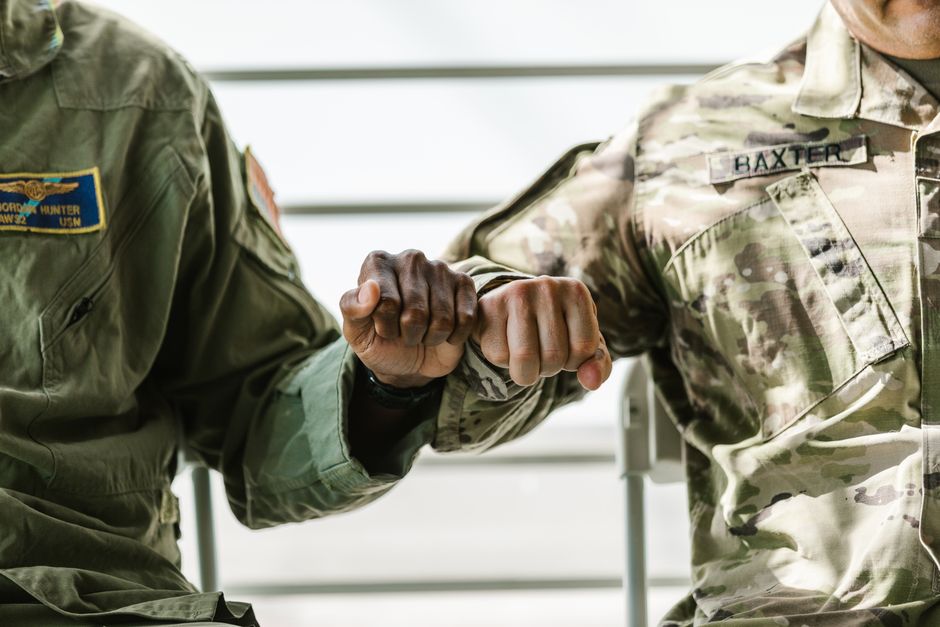
The Trump administration's accelerated military cooperation with Colombia represents a strategic move to bolster security in a region facing multiple challenges. By aligning with Colombia's new president, who has pledged a tough stance on armed groups, the U.S. aims to address immediate threats while countering foreign influence. However, the long-term success of this partnership hinges on balancing military action with sustainable peace efforts and addressing the root causes of instability in the region.
Frequently asked questions
What is the Trump administration doing with Colombia's military?
The Trump administration is accelerating military cooperation with Colombia to enhance security collaboration, particularly in addressing threats like armed groups and transnational crime. This aligns with Colombia's new president's focus on a security crackdown.
Why is the U.S. focusing on Colombia now?
The U.S. is prioritizing Colombia to counter regional instability, address transnational threats, and counter foreign influence in Latin America. This reflects a broader strategy to strengthen bilateral security partnerships in the hemisphere.
How does Colombia's new president affect U.S. cooperation?
Colombia's new president, known for his hard-line stance on security and armed groups, has pledged to challenge the country's fragile peace process. His administration's priorities align closely with U.S. security objectives, facilitating deeper cooperation.
What are the risks of increased U.S.-Colombia military ties?
Increased cooperation risks escalating violence in areas with active armed groups and undermining Colombia's peace process, which has relied on dialogue. It may also strain diplomatic efforts to address the root causes of conflict.