Wildfire Smoke from Canada to Spread Across Midwest and East

Wildfire Smoke from Canada Heads Toward Midwest and East
Smoke from wildfires burning in Canada is expected to drift across the Midwest and Eastern United States in the coming days, reducing air quality and posing health risks for millions of residents. The smoke, carried by prevailing winds, has already begun affecting regions near the Great Lakes and is forecast to spread further.
Why Is This Happening?
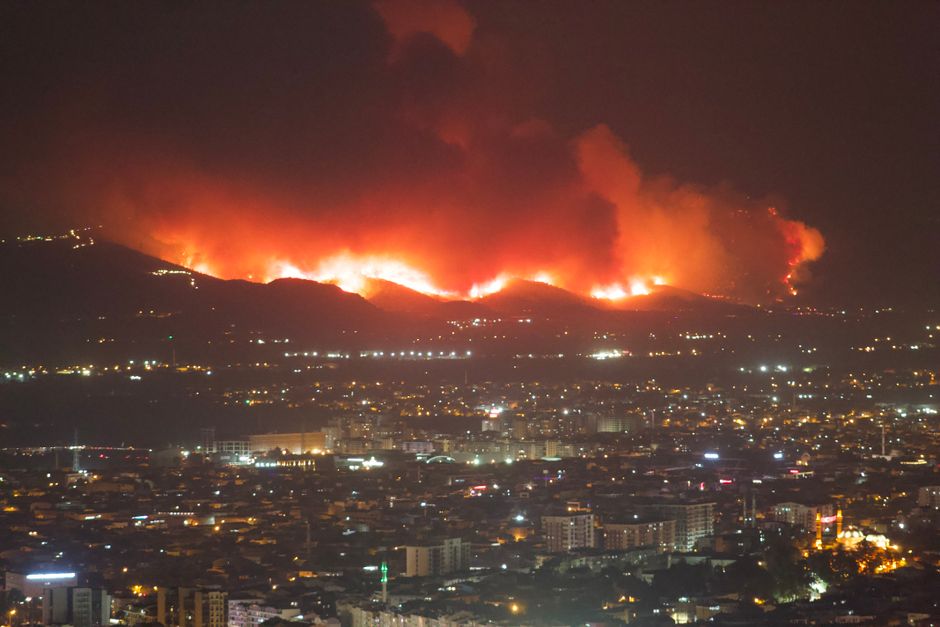
Canada has experienced an unusually active wildfire season, with hundreds of fires burning across provinces like Ontario, Quebec, and Alberta. Dry conditions and high temperatures have fueled these fires, creating dense smoke that can travel thousands of miles.
Weather Patterns Driving Smoke Southward
Upper-level wind currents are pushing the smoke south into the U.S., where it will linger over populated areas. This phenomenon is not uncommon, but the scale of this year's wildfires has intensified its impact.
Health Risks of Wildfire Smoke
Wildfire smoke contains fine particulate matter (PM2.5), which can penetrate deep into the lungs and even enter the bloodstream. Exposure can lead to respiratory issues, especially for vulnerable groups.
Who Is Most at Risk?
- People with asthma or other lung conditions
- Children and older adults
- Those with cardiovascular disease
- Outdoor workers and athletes
How to Protect Yourself
Reducing exposure to wildfire smoke is crucial for minimizing health risks. Here are some practical steps:
- Stay indoors with windows closed when air quality is poor.
- Use air purifiers with HEPA filters.
- Wear an N95 mask if you must go outside.
- Limit strenuous outdoor activities.
Tracking Air Quality
Check local air quality indexes (AQI) through apps or websites like AirNow.gov. Levels above 100 are considered unhealthy for sensitive groups, while readings above 150 pose risks to the general population.
What’s Next?
Meteorologists predict that the smoke will continue to affect parts of the U.S. until weather patterns shift or the Canadian wildfires are contained. Rain could help clear the air temporarily, but prolonged relief depends on firefighting efforts in Canada.

Will the Wildfire Smoke Affect My Area?
Yes, if you live in the Midwest or Eastern U.S., wildfire smoke from Canada is likely to impact your region in the coming days. Monitor local air quality reports and take precautions if you are in a high-risk group.
Frequently asked questions
How far can wildfire smoke travel?
Wildfire smoke can travel thousands of miles, carried by wind currents. Smoke from Canadian fires has previously reached as far as Europe.
What are the symptoms of wildfire smoke exposure?
Symptoms include coughing, shortness of breath, irritated eyes, sore throat, and headaches. Those with pre-existing conditions may experience worsened symptoms.
How long will the wildfire smoke last?
The duration depends on weather patterns and fire containment. Smoke may linger for days or weeks until winds shift or rain helps clear the air.
Can wildfire smoke affect indoor air quality?
Yes, smoke particles can seep indoors. Using air purifiers and keeping windows closed can help reduce indoor exposure.